
Old School Old hands used to be cynical about debriefs – a “search for the guilty, punishment of the innocent, and praise and honours for the non-participants.” New School Candid Cycle uses human experience and structured questions to understand what happened, what it means and what should change. AI strengthens a human-led inquiry rather than… Read More
Tag: assess
Candid Cycle – A screenshots introduction
Candid Cycle is a review and improve app which integrates and analyses confidential review submissions. Read More

Which risk metrics matter most?
We analyze risk so that we can better manage it. Read More

Unveiling a range of Gigs to meet your needs
We are pleased to launch a range of solutions which aim to meet various resilience needs by asking the right questions Read More
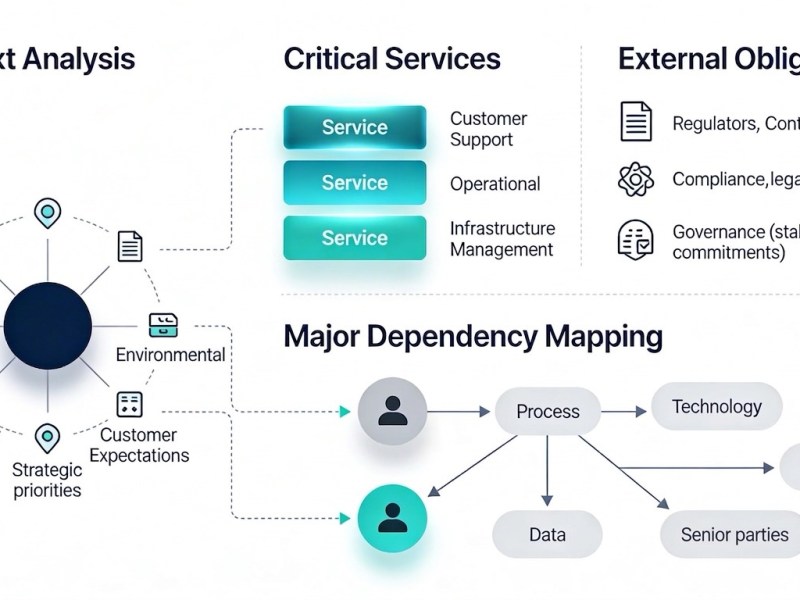
The move from traditional Business Continuity Planning to Operational Resilience is real and growing
How strong is the move from traditional Business Continuity and RTOs to a focus on Operational Resilience and Impact Tolerance? Read More
Assessment of Operational Resilience Capability Framework’s Suitability
How suitable is the Operational Resilience Capability Assessment Framework? Very. Read More
Business Continuity Review Document Checklist for Clients
Selecting the right paperwork to achieve an appropriate capability assessment review. Read More
Management Capability Assessment Report
A Capability Assessment of some value – but limited by publicly available information. Read More
Necessary and Sufficient Evidence (Consolidated Framework)
For each domain, “necessary and sufficient” evidence means: the minimum concrete artefacts and observations that prove the criterion is in place (E1), enabled (E2), and working in practice (E3). Below is a concise, practical set of examples. 1. Context, Scope, Stakeholders & Strategy Approved procedure for context and stakeholder analysis covering QMS/EMS/Risk/BCM. Last completed context… Read More
Yes, of course … but what is the right question?
Asking the right questions: what great thinkers teach leaders about inquiry Voltaire once wrote, “Judge a man by his questions rather than by his answers.” That single line turns a lot of conventional leadership wisdom on its head. We are used to celebrating the leader with the confident answer, the bold solution, the decisive verdict.… Read More

Capability Assessment and Organisational Debriefing
Our niche consulting services strengthen capability before disruption and turn organisational debriefing into practical improvements. Read More

No cherry on top …
Don’t be preoccupied by the “cherry on top” marketing – check the fundamentals for soundness. Read More
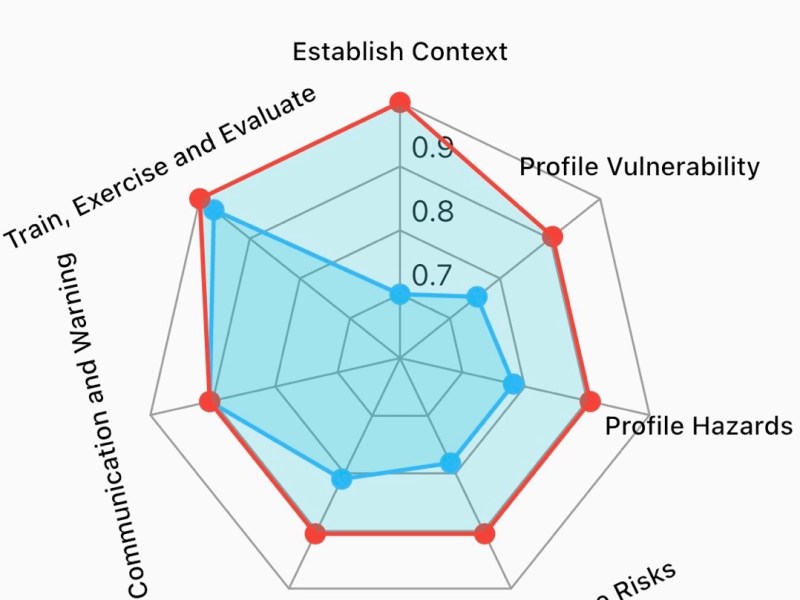
Analyse gaps to improve capability
Inform your decisions with gap assessment Read More
Can you manage uncertainty in three straightforward steps?
Management processes should always be as simple as possible – yet as complex as is necessary. First, clear, understandable, straightforward risk statements come out of mindful conversations about context. Second, we assess risks – not as an academic exercise – but in order to determine whether we need to do anything about those risks. So… Read More

