
If your organisation’s picture of itself has been painted from one vantage point for too long, the Universal Framework offers a structured way to look again – across the same seven domains the animals uncovered together: Strategy \& Direction, Decision-Making Quality, Risk \& Resilience, Execution \& Control, People Leadership, Learning \& Improvement, and Governance \& Accountability. Every engagement, regardless of scope, is assessed against the same E1 (Exists) / E2 (Enabled) / E3 (Executed) evidence logic – so the result reflects what can be demonstrated, not just what is believed. Read More
Tag: management
How capable are you?
Three evidence tests (E1–E3)
For each domain we look for three levels of evidence:
E1 – Exists
Do the core structures and processes exist?
(Policies, frameworks, processes, roles, plans, registers, documented approaches.)
E2 – Enabled
Are they supported and usable?
(Clear owners, resources, training, tools, data, and regular review cycles.)
E3 – Executed
Are they actually used and making a difference?
(Real examples where they shape decisions, behaviours, investments, and outcomes.)
In practical terms, E1/E2 tell you “have we built the system?” and E3 asks “does the system change what happens?”
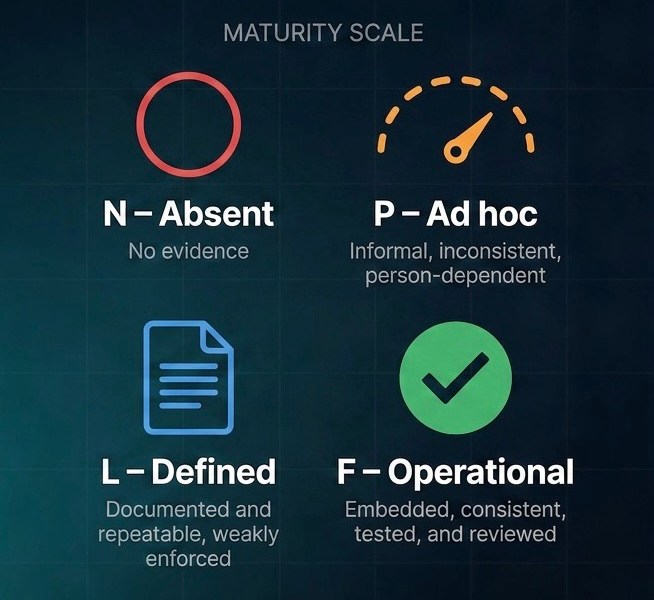
Maturity scale (N–P–L–F)
Evidence across E1–E3 is then converted into a four‑step maturity rating for each domain:
N – Absent
No meaningful evidence; capability does not meet current needs.
P – Ad hoc
Informal, person‑dependent, inconsistent; pockets of good practice but not reliable.
L – Defined
Documented and repeatable, but weakly enforced; often strong on design, weaker on routine use.
F – Operational
Embedded, consistent, tested, and reviewed; good evidence that it works in practice.y Read More
The Cartographer’s Lantern
In a valley often swallowed by fog, the village of Bellmere chose a new warden each year to keep its people safe from flood, fire, and storm. One autumn, a clever merchant arrived with a polished brass lantern. “This lantern,” he announced, “measures the village’s readiness. Hold it near your granaries, bridges, wells, and watchtowers.… Read More
The road ahead for the Sydney Swans
A comparison which treats Ms Ley’s quoted line “accountability must be extended to anyone who was aware of what was happening and had the power to act” as given and compares it against the well-documented legal/coronial “ought to have known” standard. Read More

Which risk metrics matter most?
We analyze risk so that we can better manage it. Read More
Consolidated Capability Assessment (Health Check) Framework
Understand whether your organisation is capable, not just compliant. Read More
How capable is your organisation?
Understand whether your organisation is capable, not just compliant. Read More
Alignment of the Universal Framework with the American Productivity & Quality Center’s Process Classification Framework®
Understand whether your organisation is capable, not just compliant Read More

Unveiling a range of Gigs to meet your needs
We are pleased to launch a range of solutions which aim to meet various resilience needs by asking the right questions Read More
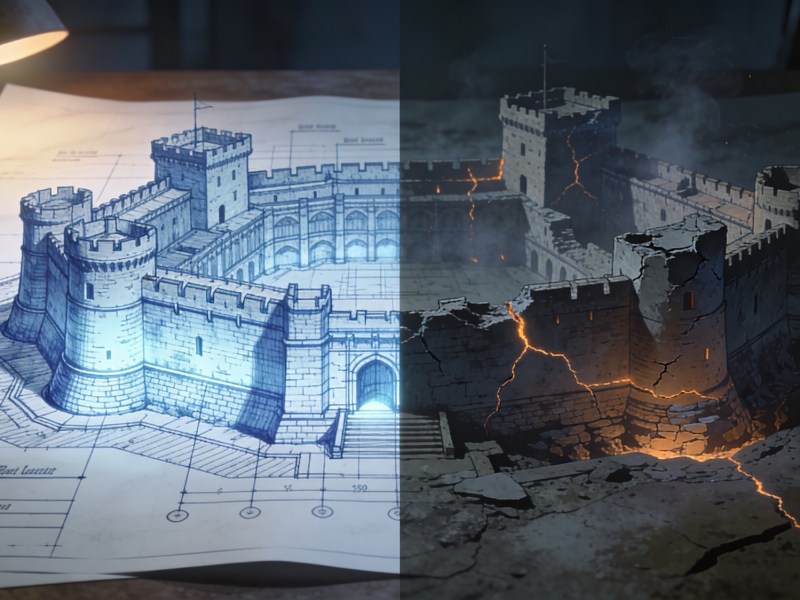
Sound on paper but …
You have a sound framework on paper (in several domains), but resilience is not yet embedded in how the organisation runs day to day. Read More
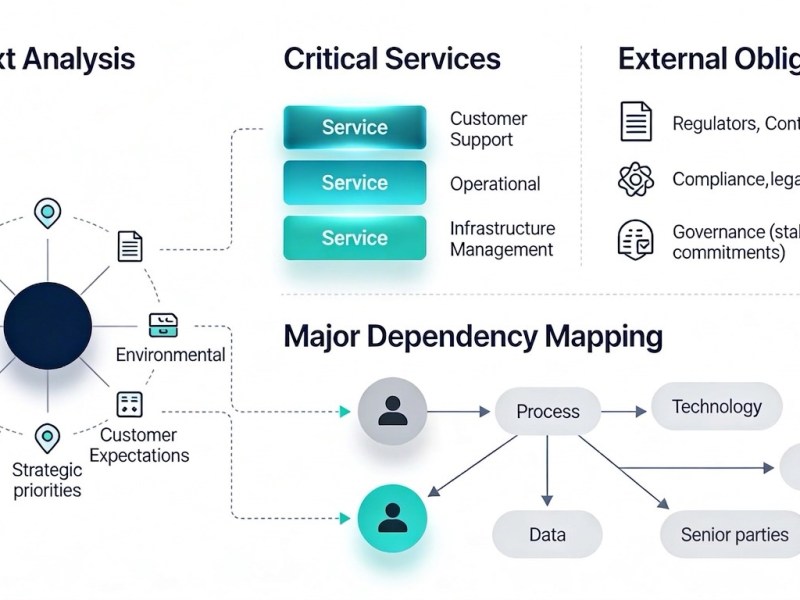
The move from traditional Business Continuity Planning to Operational Resilience is real and growing
How strong is the move from traditional Business Continuity and RTOs to a focus on Operational Resilience and Impact Tolerance? Read More
Business Continuity Review Document Checklist for Clients
Selecting the right paperwork to achieve an appropriate capability assessment review. Read More
Management Capability Assessment Report
A Capability Assessment of some value – but limited by publicly available information. Read More

Is Resilience Core?
“Can we demonstrate, with evidence, that our most important services will remain within acceptable limits during severe but plausible disruption?” Read More
A necessary and sufficient BCM/resilience “evidence set”
When commissioned to review a client’s continuity and resilience capabilities I am nearly always asked – “What documentation do you need to review?” You can reflect on my response below: “Minimum Viable” set to request client to consider BCM minimum evidence set: policy & framework, risk register with BCM risks and latest assessment, approved BIAs,… Read More
Necessary and Sufficient Evidence (Consolidated Framework)
For each domain, “necessary and sufficient” evidence means: the minimum concrete artefacts and observations that prove the criterion is in place (E1), enabled (E2), and working in practice (E3). Below is a concise, practical set of examples. 1. Context, Scope, Stakeholders & Strategy Approved procedure for context and stakeholder analysis covering QMS/EMS/Risk/BCM. Last completed context… Read More
Operational Resilience and Continuity – without the drama
Our consulting offer for vulnerable times. The gap most mid-sized firms face Most firms have bits and pieces of business continuity, risk, and IT/DR work, but too often: Plans are outdated or don’t match how operations actually run today. • Operations, IT, risk, and suppliers each see their own slice – no one owns the… Read More
Integrated Gap Analysis Framework
A comprehensive and integrated assessment framework for NFPA and ISO standards.
Read More
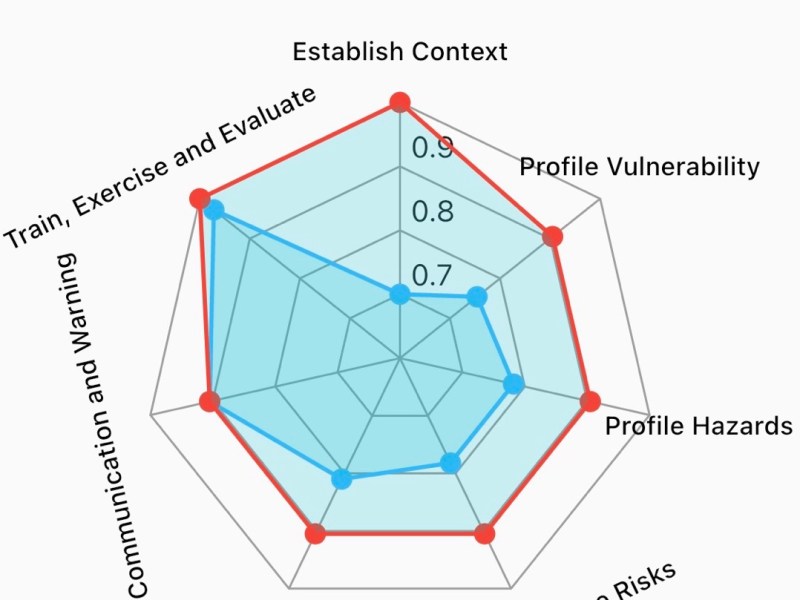
Analyse gaps to improve capability
Inform your decisions with gap assessment Read More
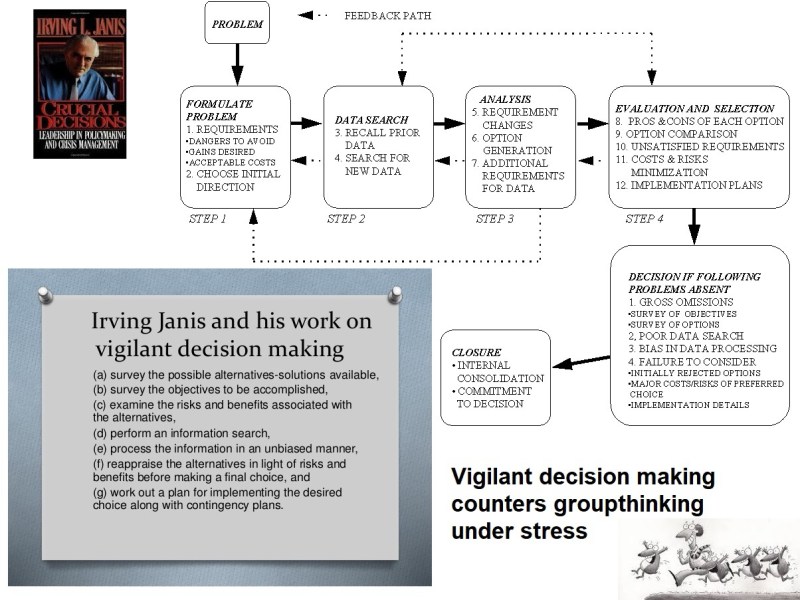
We could … but should we?
In contexts characterized by uncertainty, I am not convinced that AI provides sound solutions. Equally, I’m pretty sure that those dusty plans on your shelf (or in your cupboard) won’t measure up either. A reflection in the International Crisis Management Standard notes that “crises through a combination of their novelty, inherent uncertainty and potential scale… Read More

