
Introductory background
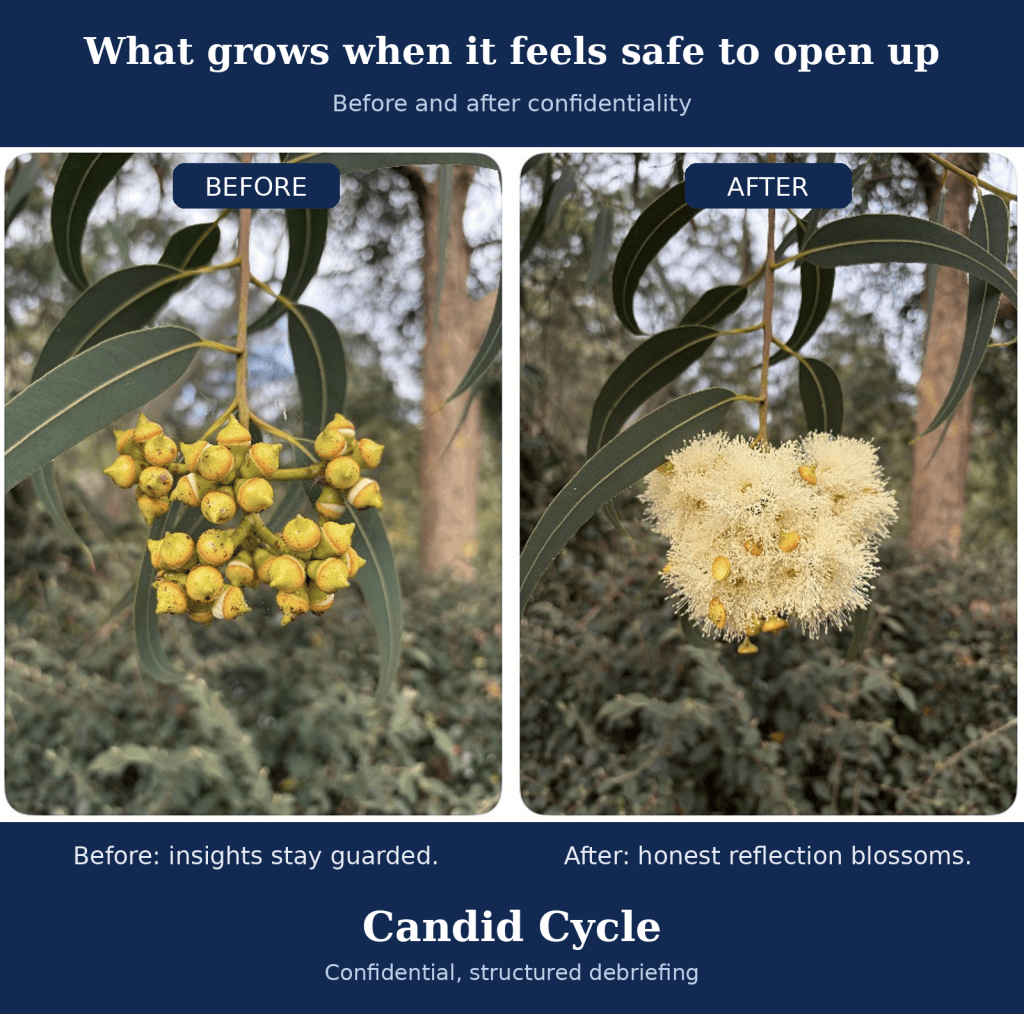
“Let a hundred flowers bloom” is best known as a slogan promoted by Mao Zedong in 1956, encouraging diversity in the arts and intellectual debate in Communist China. Its fuller form is:
“Let a hundred flowers bloom; let a hundred schools of thought contend.”[1][2]
Its older roots
Mao did not invent the imagery from scratch. The phrase has roots in Chinese literary and intellectual traditions:
- “A hundred flowers bloom” is traced to the nineteenth-century Chinese novel Flowers in the Mirror, by Li Ruzhen, which includes an episode in which Empress Wu orders flowers to bloom simultaneously. The phrase was also used in Chinese theatrical reform in 1951, before becoming a broader political slogan.[1][3][4]
- “A hundred schools of thought contend” recalls the intellectual diversity of ancient China’s Spring and Autumn and Warring States periods, when competing philosophical schools debated how society should be governed.[1]
The two halves therefore joined an image of artistic flourishing with a tradition of intellectual competition.[1]
Why it has an uneasy historical meaning
During the Hundred Flowers Campaign, Mao’s government invited intellectuals to express their views and criticise Communist Party policies. After criticism gathered momentum in 1957, the government reversed course and launched the Anti-Rightist Campaign, persecuting many who had spoken out. Whether Mao intended the invitation as a trap from the outset remains disputed; the subsequent repression is not.[2][5][6]
Today, the expression commonly means “allow many different ideas or approaches to develop.” But its historical background gives it an ironic edge: an apparent invitation to openness followed by punishment for those who accepted it. The variant “let a thousand flowers bloom” is a common misquotation.[6]
Sources
[1] Mao Zedong’s Utopian Thought and the Post-Mao Imaginative Response (Chapter 15) – Perfect Worlds https://resolve.cambridge.org/core/books/abs/perfect-worlds/mao-zedongs-utopian-thought-and-the-postmao-imaginative-response/7D8CA83D05BE6026A794680FD283D15A
[2] Hundred Flowers Campaign | Mao Zedong, Cultural Revolution … https://www.britannica.com/event/Hundred-Flowers-Campaign
[3] A Hundred Flowers https://www.cambridge.org/core/services/aop-cambridge-core/content/view/EB6A92F083D7C3EF1AB728D00D734E82/9781009600538int_6-42.pdf/introduction_buds.pdf
[4] Hundred Flowers Campaign – Wikipedia https://en.wikipedia.org/wiki/Hundred_Flowers_Campaign
[5] Mao’s Hundred Flowers Campaign Begins | History – EBSCO https://www.ebsco.com/research-starters/history/maos-hundred-flowers-campaign-begins/
[6] Let A Thousand Flowers Bloom – Meaning & Origin Of The Phrase https://www.phrases.org.uk/meanings/226950.html
[7] 15 https://www.degruyterbrill.com/document/doi/10.1515/9789048514861-017/pdf?licenseType=open-access
[8] Let A Hundred Flowers Bloom — AP World Definition | Fiveable https://fiveable.me/ap-world/key-terms/let-a-hundred-flowers-bloom
[9] Mao Says: “Let A Thousand Flowers Bloom…” — Asian History … https://www.historycentral.com/asia/MaoSays.html
[10] The Hundred Flowers campaign – Alpha History https://alphahistory.com/chineserevolution/hundred-flowers-campaign/
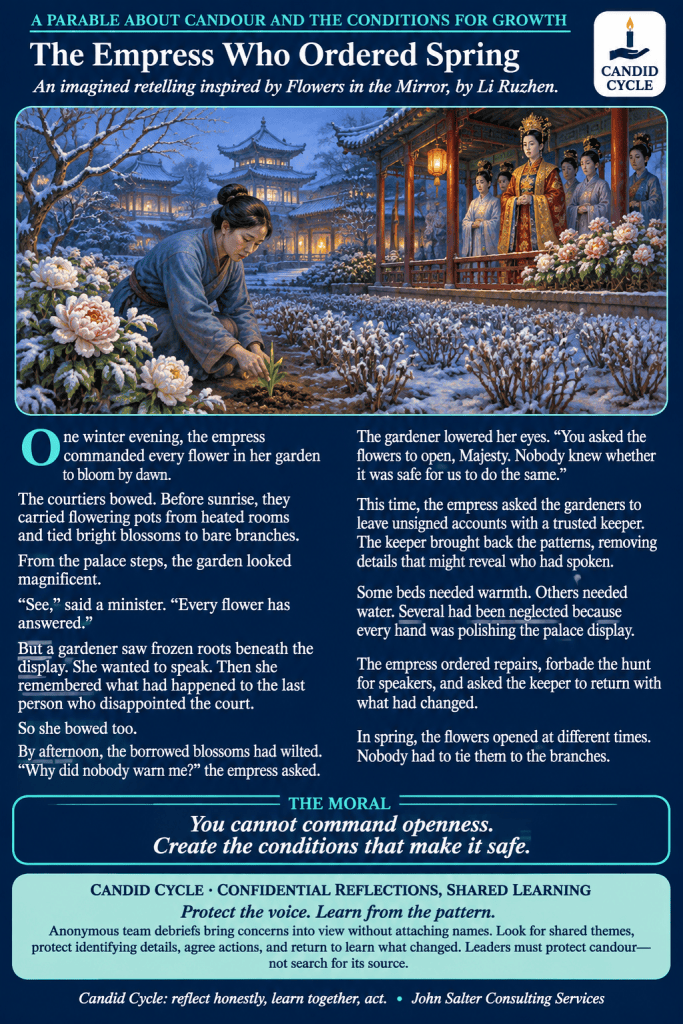
Candid Cycle protects people who offer candour by separating what they say from who said it. Its published design gives the person running a review a consolidated account of themes—not access to individual responses. That is a materially stronger safeguard than simply asking people to “speak freely”.[1]
How the protection works
- Anonymous participation. Contributors follow a shared link and do not need an account or the app. Responses are described as anonymous.[1]
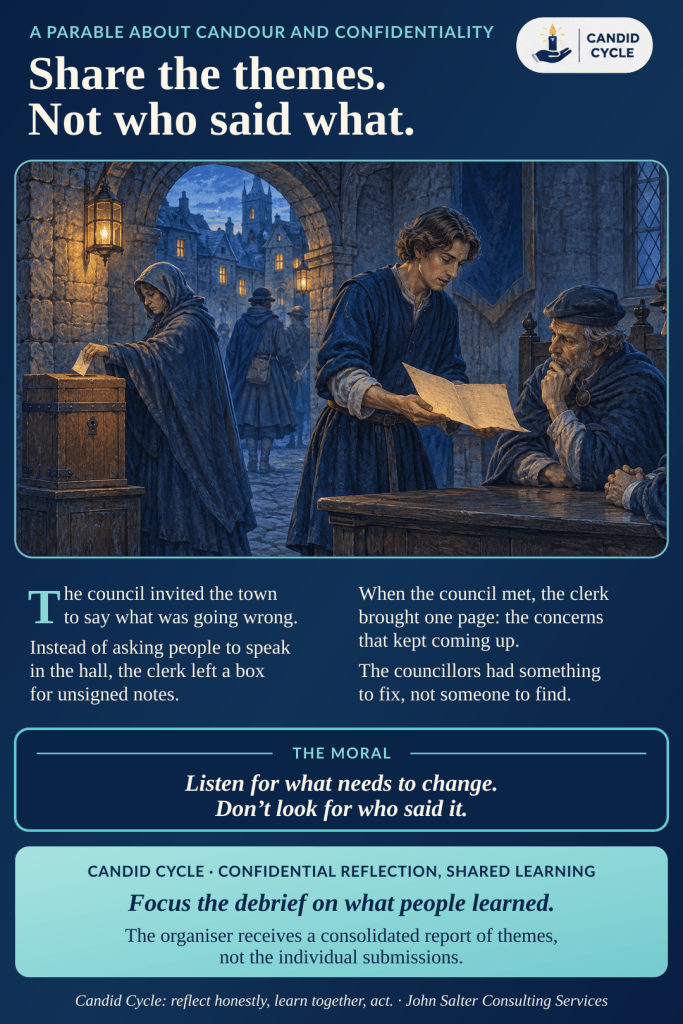
- No individual responses for the organiser. The person running the cycle receives themes in a consolidated report, rather than participants’ separate submissions.[1]
- A minimum participation threshold. A report requires at least three contributions, providing a basic safeguard against a report exposing a single person’s feedback.[1]
- Identity protection in reporting. Reports exclude names and identifying roles. Quotations are labelled “Anonymised submission excerpt” rather than attributed to a contributor.[2]
- Themes rather than contributor profiles. Evidence is grouped by theme, not person, so readers can examine recurring issues without being presented with each participant’s account. A confidentiality statement appears at the front of every report.[2][3]
- Human review. The App Store description says reports are drafted with AI and reviewed by a person before delivery. It does not, however, specify the exact checks that reviewer performs.[1]
What those safeguards do—and do not—promise
The important distinction is between protecting identity in the review process and guaranteeing freedom from repercussions.
The published features support a clear claim: Candid Cycle is designed to prevent the organiser and report readers from directly attributing feedback to named participants. They do not establish that identification is impossible. A distinctive incident, recognisable wording or a very small team could still allow someone to infer the source; three contributions is a minimum threshold, not proof against deduction.
Nor does anonymity alone guarantee that leaders will respond constructively. The software’s confidentiality safeguards need to be matched by organisational conduct: no attempts to identify contributors, no retaliation, and a focus on addressing the issues rather than finding the speaker. Those are governance commitments, not technical guarantees.
The connection to “let a hundred flowers bloom” is therefore straightforward: inviting candour is not enough. Candid Cycle’s stated approach places structural limits on what the person issuing the invitation gets to see—sharing the learning while withholding individual responses and attribution.[1][2]
Candid Cycle comparison matrix
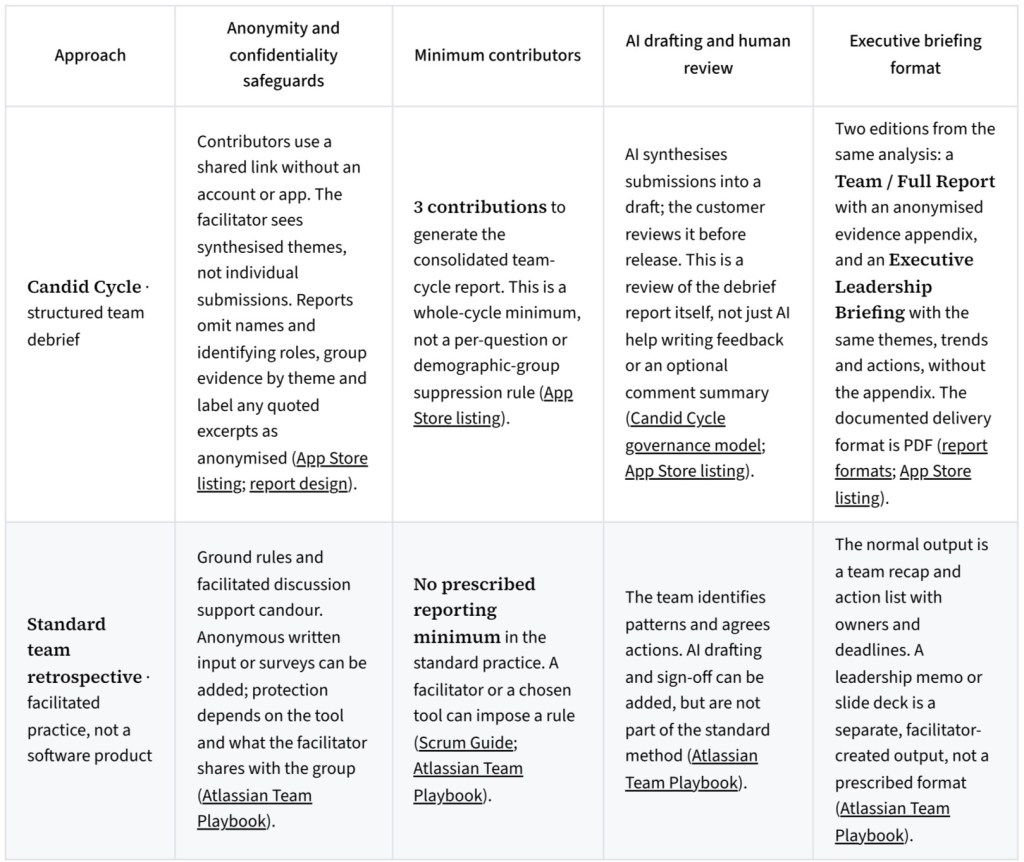
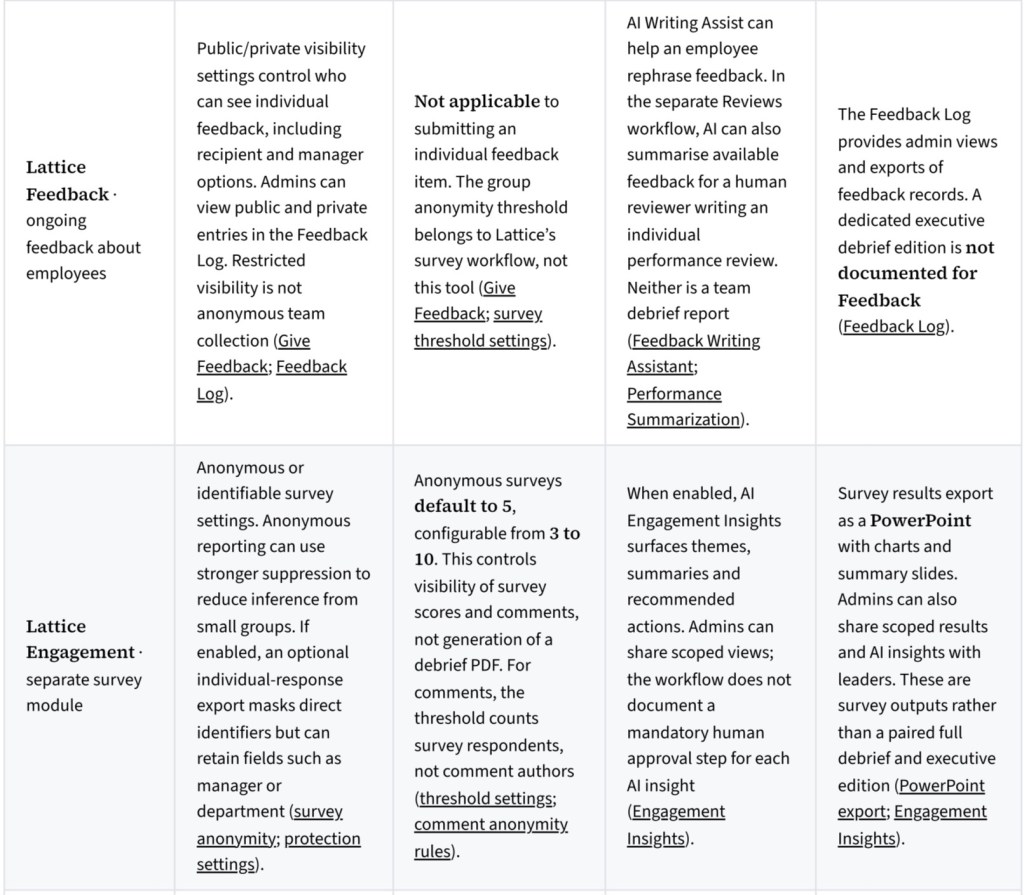
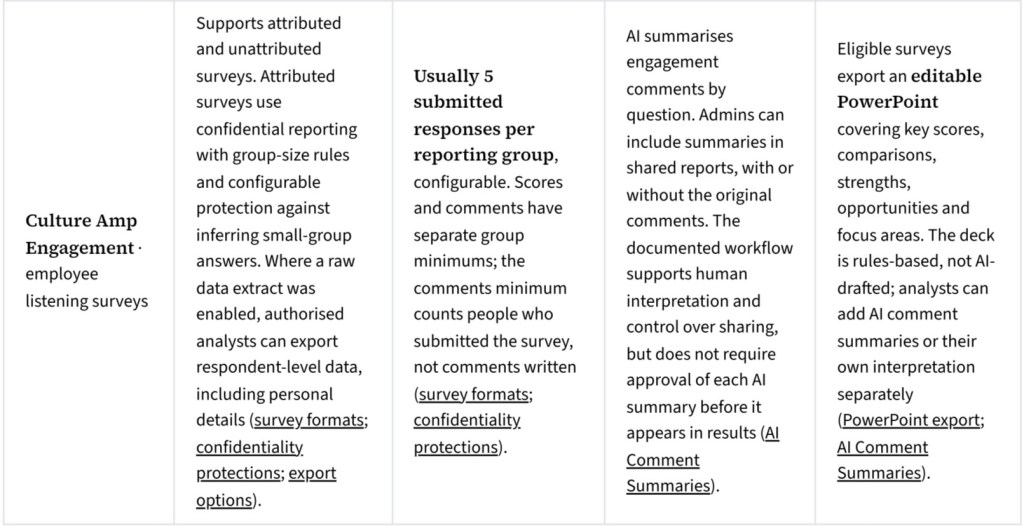
Compared on 19 November 2026. Candid Cycle is designed to turn confidential reflections about a specific piece of work into a debrief report and a shorter leadership briefing from the same analysis (Candid Cycle report formats). The alternatives solve different problems: facilitating a team conversation, giving feedback about an individual, or interpreting engagement survey results. Lattice Feedback and Lattice Engagement are shown separately so that survey features are not attributed to the Feedback tool.
What the comparison means
• Candid Cycle’s strongest distinction: It combines confidential input about a specific event, project or period with a human-reviewed AI draft and two audience-specific outputs from the same analysis. The differentiator is this workflow, not anonymity, AI or leadership reporting in isolation (Candid Cycle report formats; Candid Cycle governance model).
• Thresholds are not like-for-like: Three contributions unlock a Candid Cycle report; survey thresholds suppress reporting where too few people responded in a group. Neither should be used alone to claim stronger privacy. For sensitive debriefs, consider inviting a wider group or omitting distinctive quotations and details if colleagues could infer who spoke (Candid Cycle App Store listing; Lattice protection settings; Culture Amp confidentiality protections).
• Choose by the job: Use a standard retrospective when the priority is live team discussion and agreement on what to change; use Lattice Feedback for ongoing feedback about individuals; use Culture Amp or Lattice Engagement when the job is tracking employee sentiment and comparing groups. Choose Candid Cycle when a specific piece of work needs a structured debrief that the team can act on and leadership can read separately (Atlassian Team Playbook; Lattice Feedback; Lattice Engagement Insights; Culture Amp survey presentation; Candid Cycle report formats).
“Not documented” means the reviewed public guidance did not specify the capability for that workflow. It does not rule out a custom process, integration or feature in another module.

Sources
[1] Candid Cycle App – App Store https://apple.co/4sGPrni
[2] Candid Cycle – John Salter Consulting Services https://disasterresilience.consulting/candid-cycle/
[3] The Candid Cycle Report – John Salter Consulting Services https://disasterresilience.consulting/2026/10/26/the-candid-cycle-report/
[4] Experts react to ‘Sandpapergate’ https://www.linkedin.com/news/story/experts-react-to-sandpapergate-9658922/
[5] Experts react to cricket’s ‘Sandpapergate’ https://www.linkedin.com/news/story/experts-react-to-crickets-sandpapergate-8921513/
[6] John Salter – Focused on Candid Reflections, Capability Assessment … https://www.linkedin.com/in/john-salter-8b60294
[7] How to Use Calibrate — Guidebook https://disasterresilience.consulting/wp-content/uploads/2026/11/calibrate-how-to-use-guidebook.pdf
[8] Candid Cycle App – App Store https://apps.apple.com/us/app/candid-cycle/id6780116127?itscg=30200&itsct=apps_box_link&mttnsubad=6780116127
[9] A landslide can hide weaknesses. https://disasterresilience.consulting/2026/11/06/a-landslide-can-hide-weaknesses/
[10] communication – John Salter Consulting Services https://disasterresilience.consulting/category/communication/


