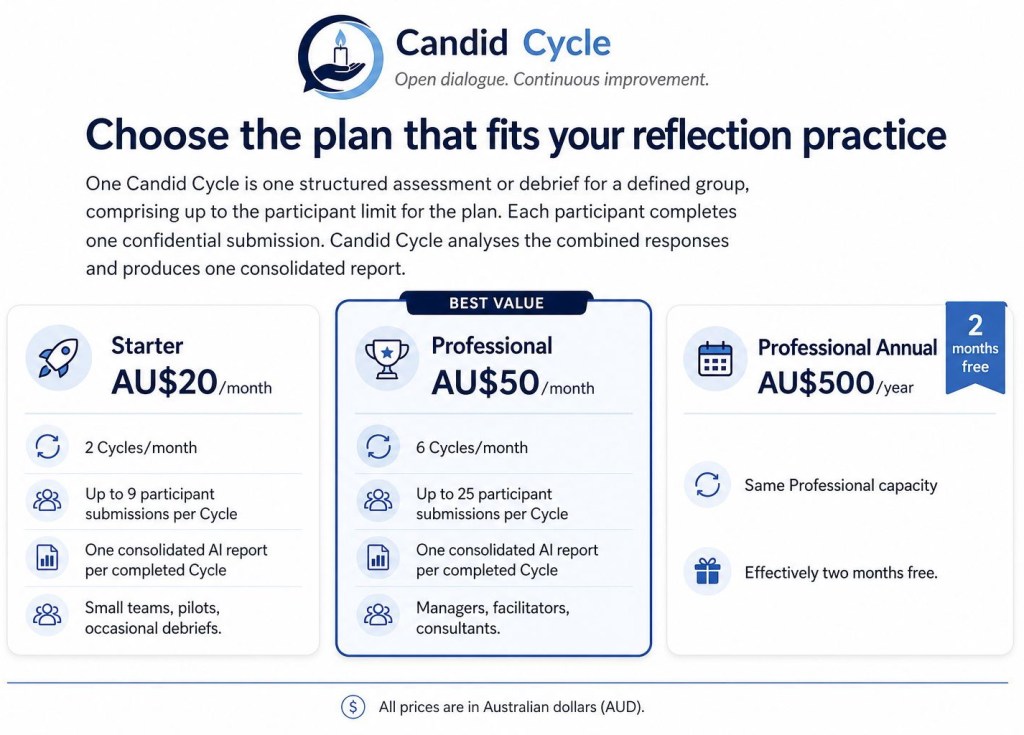
Margaret MacMillan opens The Uses and Abuses of History (2009) with this warning, and it’s worth sitting with.
History doesn’t offer clean lessons; it offers material, and material can be shaped to fit almost any conclusion someone has already reached. MacMillan is careful to distinguish between using history and abusing it. Using it means treating the past as a source of evidence that might contradict you. Abusing it means treating the past as a quarry – mining it for the quotes, precedents, and analogies that flatter a decision already made.
She’s not the first to notice this. Georg Hegel’s often-misquoted line – “We learn from history that we learn nothing from history” – makes a harsher version of the same point: knowing the past doesn’t automatically inoculate anyone against repeating its mistakes, because the failure isn’t ignorance, it’s motivated selectivity. George Santayana’s more famous formulation (“those who cannot remember the past are condemned to repeat it”) assumes memory is the problem. MacMillan and Hegel suggest something closer to the opposite: people remember plenty of history – they just remember the parts that suit them.
Barbara Tuchman’s The March of Folly (1984) gives this failure mode a name and a body count. She studied governments that pursued policies contrary to their own interests – the Trojans dragging the horse inside their walls, the Vietnam War planners ignoring the French experience a decade earlier – and found the common thread wasn’t a lack of available warning. The evidence was there. What was missing was the will to look at it honestly, because the people in the room had already committed, publicly or privately, to a course of action.
Richard Neustadt and Ernest May took a more constructive angle in Thinking in Time: The Uses of History for Decision Makers (1986), a book written explicitly for policymakers. Their contribution was a simple diagnostic: before treating a historical analogy as guidance, ask what’s actually similar and what’s different between the past case and the present one. Most bad uses of history, they argued, skip that step entirely – leaders reach for “this is just like 1938” or “this is just like Vietnam” because the analogy is emotionally satisfying, not because anyone checked whether it holds up.
Why This Isn’t Just a History Problem
MacMillan is describing individual and institutional discipline, but the same failure shows up at a much smaller scale, inside a single organization’s reflection process. Chris Argyris, writing on organizational learning, distinguished between single-loop learning (fixing the symptom without questioning the underlying assumption) and double-loop learning (going back and interrogating the assumption itself). Most after-action reviews, he found, never leave single-loop mode — they identify what went wrong operationally but leave the governing beliefs that produced the decision untouched, because touching them is uncomfortable and politically costly.
Daniel Kahneman’s work on confirmation bias explains the mechanism at the individual level: people don’t experience themselves as cherry-picking evidence. The selective search feels like due diligence because the brain treats confirming evidence as more relevant and more memorable than disconfirming evidence. Nobody sits down thinking “I will now ignore the inconvenient facts.” They simply notice the convenient ones first, weight them more heavily, and stop looking once they’ve found enough.
Candid Cycle is exposed to exactly this failure risk, because a reflection review runs on exactly that mechanism – people writing down what they believe happened, at multiple points, with multiple people, before it gets synthesized into “actionable intelligence.” Nothing about being a structured product makes it immune to motivated reasoning. If anything, a system that produces confident-looking conclusions can make the problem worse by giving self-deception the appearance of data. A well-formatted report with five clean fields and a synthesized action plan can look more objective than a messy conversation, even when it was shaped by the same selective instincts MacMillan and Tuchman describe.
What Candid Cycle Has Going For It
The design includes some direct countermeasures, though none of them are a complete cure:
- Anonymity in Phase 1 is a partial counter to avoiding truth. Amy Edmondson’s research on psychological safety shows that people withhold uncomfortable observations not because they lack them, but because naming a structural problem carries a social cost — someone has to own the criticism, and someone else has to hear it. Confidential submission removes that cost at the point where honesty matters most.
- Five distinct reflection fields (Context, Strengths, Improvements, Learnings, Actions) force some evidence-gathering before a conclusion, rather than jumping straight to “here’s what we should do.” That’s a structural defense against a pre-decided Action, echoing Neustadt and May’s discipline of separating “what happened” from “what it means” before reaching for a course of action.
- An Iterate & Improve loop means there’s no single terminal verdict to defend. Findings get revisited next cycle rather than locked in once. That reduces the incentive to force a narrative, since there’s less riding on any one review being “right” — closer to Argyris’s double-loop model, where conclusions stay open to revision rather than hardening into institutional fact.
Keeping the Traps in View
None of these features work automatically; they lower the odds of self-deception, they don’t eliminate it.
- Look at the whole picture: accept facts that challenge your views, not just the ones you like – this is the discipline MacMillan is ultimately asking for.
- Question motives: ask yourself if you’re searching for truth or looking for an excuse, the distinction Tuchman found missing in every case of institutional folly she studied.
- Handle history with care: acknowledge that past events, and past reviews, are complex and rarely provide simple answers – and check, as Neustadt and May insisted, whether this situation actually resembles the last one before you treat it as precedent.
Put This to the Test
The point of raising MacMillan’s warning isn’t to make reflection reviews sound futile – it’s to make the case for building the discipline into the process rather than trusting individual willpower to supply it. That’s what the Phase 1 anonymous submission step is actually for. It’s not a nicety; it’s the mechanism that gets the uncomfortable, structurally inconvenient observation onto the page before anyone has had the chance to align it with a preferred conclusion.
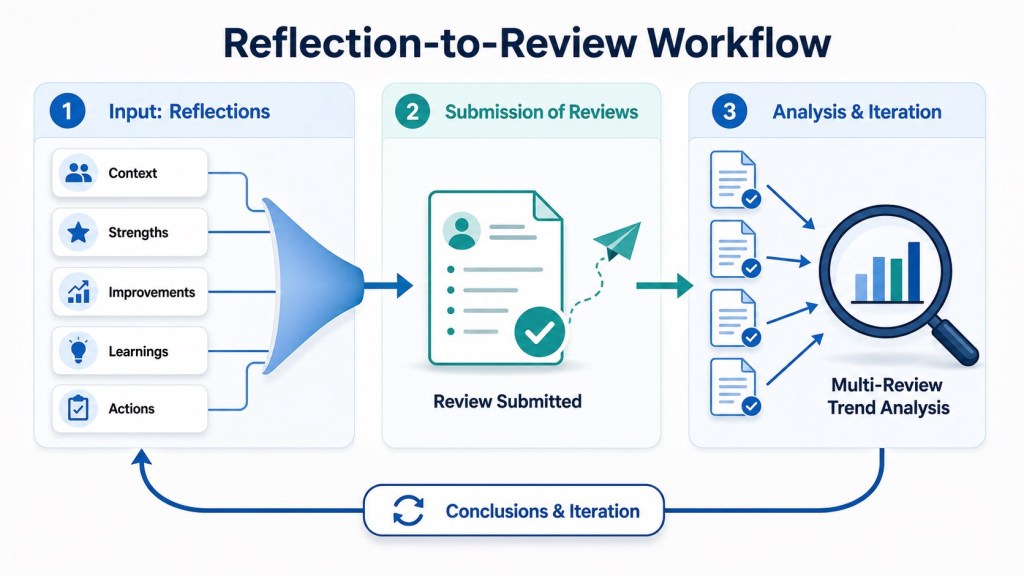
If your last review or debrief produced a tidy set of findings that confirmed exactly what everyone already suspected going in, that’s worth a second look – not because the findings are wrong, but because a review that never surfaces a genuine surprise may be doing less work than it appears to. Run your next reflection cycle through Candid Cycle’s structured fields and see whether the anonymous inputs disagree with the synthesized narrative. That gap, if it exists, is usually where the real learning is.