The politics of those at risk is emerging quite quickly. It is manifesting itself as “focus shifts from how to weather individual storms towards identifying causes and advocating for community-wide solutions. The scale of concern shifts from the singular to the systemic.” The challenges for those in power will become more significant unless they embrace… Read More
Author: John Salter & Associates Consulting Services
John Salter - specialising in the facilitation of risk-based capability reviews; needs-based training; business continuity planning; crisis management exercises; and organisational debriefing. Recognised for “preventing disasters, or where that is not possible, reducing the potential for harm” Ref: Barrister H Selby, Inquest Handbook, 1998. Distracted by golf, camping, fishing, reading, red wine, movies and theatre.
Which risks to manage and how?
One of the highlights to our recent visit to Edinburgh was to dine at Tom Kitchin’s “Kitchin” so it was interesting to see that Health Inspectors from the Local Government have chosen to write to him about a few matters of concern. I can understand they might have a chat with the Michelin star –… Read More
It’s not rocket science
How often have you heard someone say that in a conversation? It may not be “rocket science” (that is to say “requiring the application of expertise”) to them, but it is just rude to be dismissive. It alienates and it isolates. It erodes respect. Things which are “not rocket science” are often just not very… Read More
How can “dry” subjects be communicated?
Effective communication is characterised by enthusiasm and focus – on the part of all involved. Too often this is not the case. Putting aside environmental influences (such as cold rooms and uncomfortable seats) I think there are three key variables: the “presenter” may be too distant, academic, or didactic. the “message or subject” may be… Read More
Can you manage uncertainty in three straightforward steps?
Management processes should always be as simple as possible – yet as complex as is necessary. First, clear, understandable, straightforward risk statements come out of mindful conversations about context. Second, we assess risks – not as an academic exercise – but in order to determine whether we need to do anything about those risks. So… Read More
Three key questions to “health check” your Emergency Plan (for facilities)
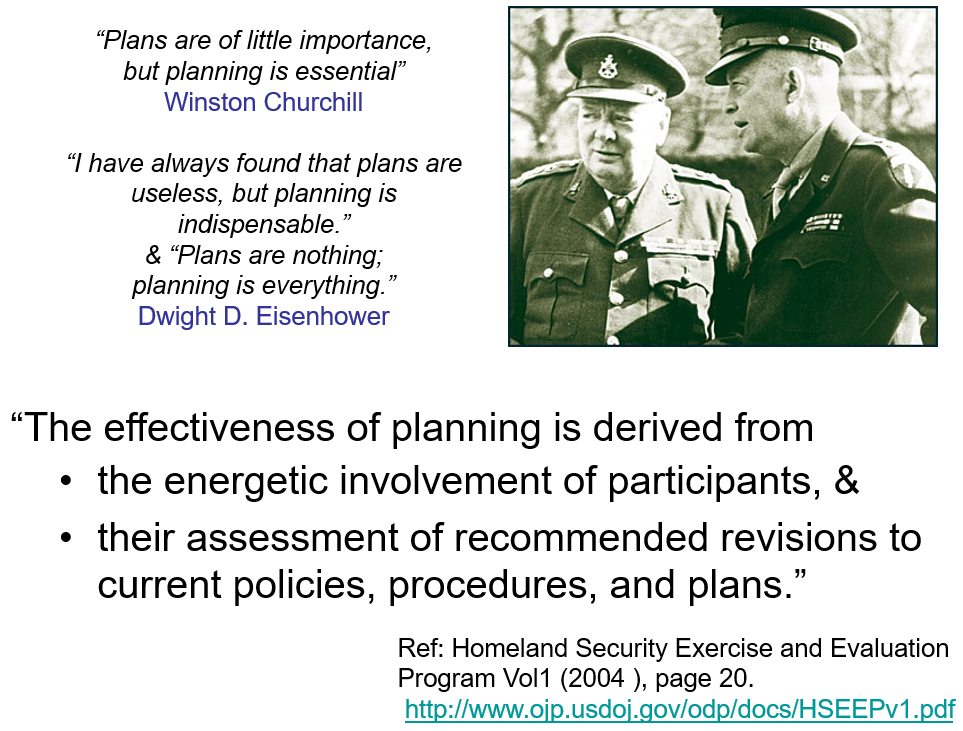
Plans are nothing …
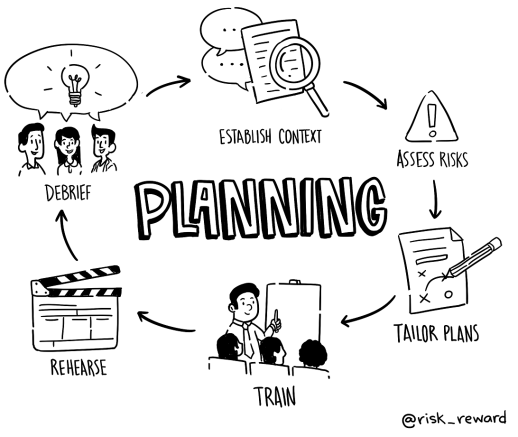
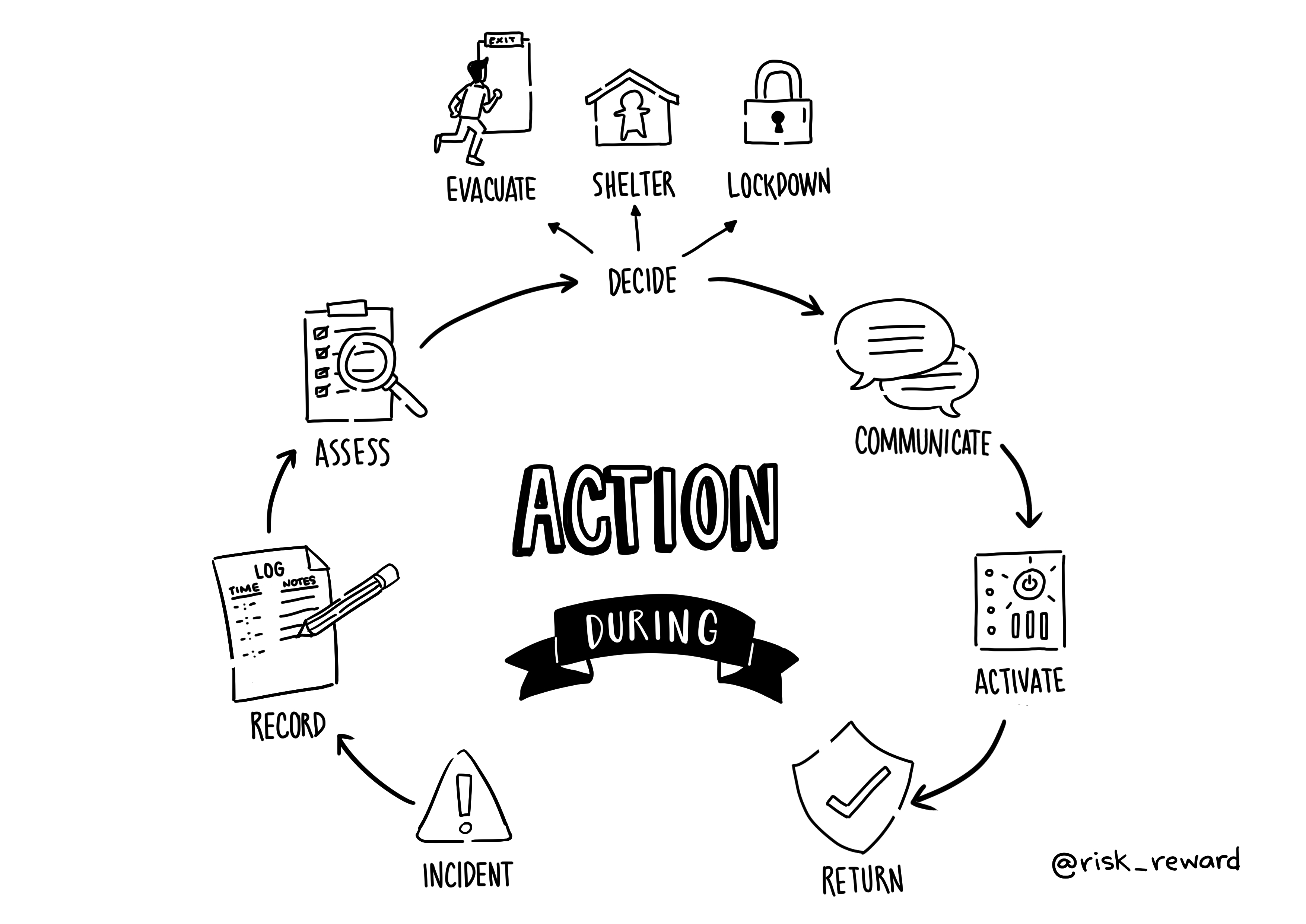
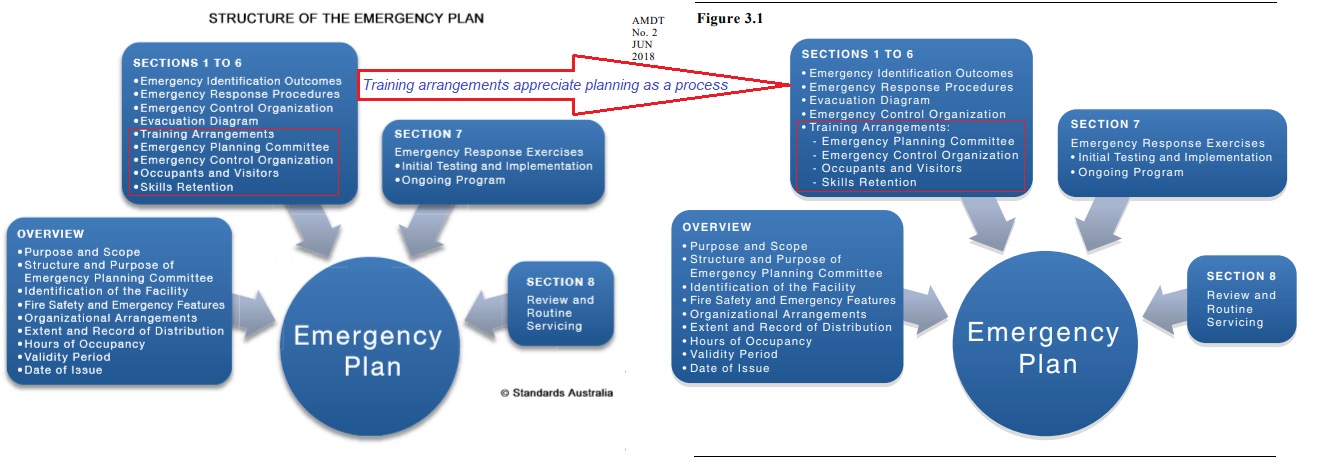
Emergency Planning for facilities is not straightforward. The “bog standard” linear, risk-based approach is a good start but context often brings complexities which require nuance. Layer over that the social and political dimensions (internal and external) and you start to explore the mire. Difficult questions arise – from the commitment of organisations to adequately resource… Read More
Standards are fine – unless they “bind”
The international standard for risk management, ISO 31000, provides principles and guidelines. When this standard is used as a heuristic device it can aid creative thinking. Heuristic devices can open up problems and opportunities however they are “double-edged swords” – something that can have both favourable or unfavourable consequences. The Standard is not a checklist.… Read More
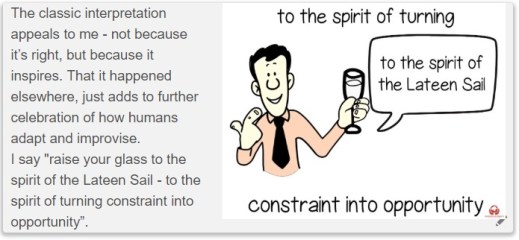
Difficulties can give rise to opportunity
In this story, the development of the Lateen sail to zig-zag into the wind on narrow rivers. Which was then copied onto larger ocean going ships enabling them to discover the world.
Muscles not exercised weaken.
Information Management and Decision Making Capabilities – like muscles which are not exercised – can easily diminish.
From constraint to opportunity
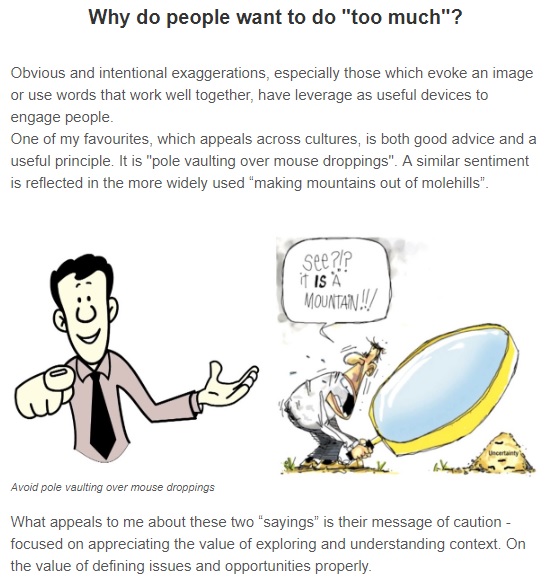
Pole vaulting over mouse droppings
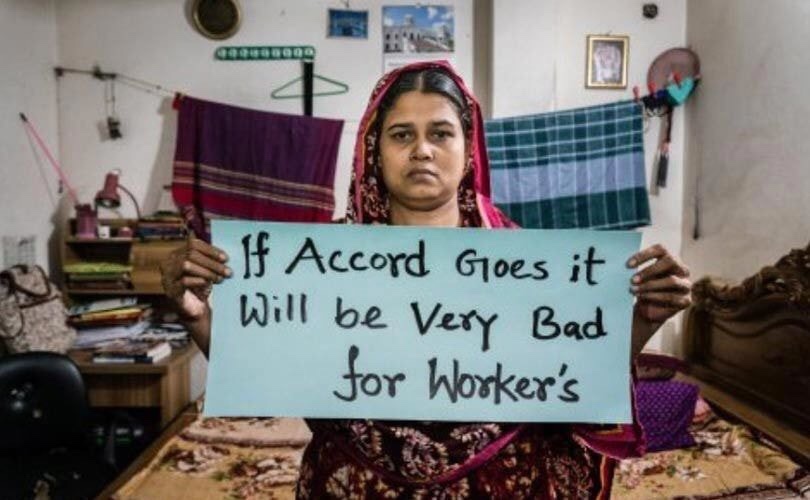
A tale of fiascos and dilemmas – lessons from Bangladesh garment factories
Where there is inadequate management of risk during the implementation of a project the very outcome being sought is often compromised. That is now the case with the Accord on Fire and Building Safety which was a welcome initiative following the tragic deaths of five years ago. The Government has “found itself” short on factories… Read More
Are Templates Procrustean Beds?
The story of the “generous” Procrustes is an illustrative one. After offering hospitality to those in need, Procrustes either stretched the limbs of the short to fit his bed – or hacked those of the long, again, to fit his bed. Too often we see “guides” and “standards” parading as flexible tools – but with… Read More
Information is not fake news
Information, by inherent definition, “informs” – it reduces uncertainty. Read More
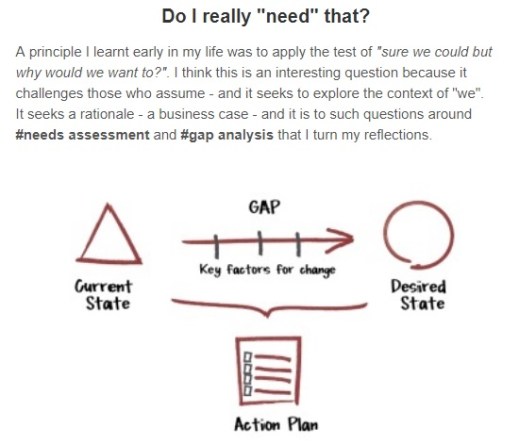
How should I use “gap assessments”?
ISO 31000:2018 PUBLISHED
The official text of the revision of the international ISO 31000 risk management standard has been published. MAIN CHANGES 1. The document is clearer and shorter – reduced from 20 to 16 pages 2. More importance is given in creating value and decision-making 3. The principles are better integrated into the framework and the process… Read More
Good crisis management is based on sound decisions.
Good crisis management is characterised by evidenced based decision making. The underpinnings of the evidence based approach is a systematic vulnerability assessment of your services.
Hazard + Vulnerability = Disaster
Freetown – a site where "informal settlements" creep up the adjacent slopes needed only the hazard of heavy rain to trigger the most recent disaster.
 John Salter Consulting Services