
“If this needs explaining tomorrow, it needs challenging tonight.”
Candid Cycles could not guarantee that the Sydney Swans avoided an alleged incident, nor should it replace police processes. But it could help a club make its behavioural standards real in high-risk settings—especially away trips, alcohol, group dynamics and team hotels—through reflection, peer challenge, early intervention and accountable follow-through.
Shift from rules to practice
Most clubs already have codes of conduct, alcohol rules and education programs. The weakness is often the gap between knowing a rule and applying judgement in a live social situation.
The aim is not paternalism. It is to make personal responsibility and peer intervention concrete before judgement is impaired or group norms take over.
Strengthen group accountability
Where several players are involved in an off-field episode, the core control is not merely individual compliance—it is collective responsibility. A Candid Cycle-based process could equip leaders, senior players and teammates to interrupt emerging risk rather than treat it as someone else’s private matter.
Practical controls might include:
- A designated player leadership pair and welfare contact for each away trip.
- Explicit expectations that players intervene or report where another person may be unsafe, impaired or unable to consent.
- A confidential, no-delay pathway for players, staff, hotel personnel or guests to raise concerns.
- A protected post-event debrief that separates welfare and safeguarding facts from rumour, media management and disciplinary decision-making.
- A recurring thematic review of alcohol-related incidents, near misses, complaints and policy exceptions.
The key distinction is between an incident and a near miss. A player who intervenes, leaves a situation, calls for help or reports concern should be reinforcing the culture—not “dobbing.”
Improve crisis learning
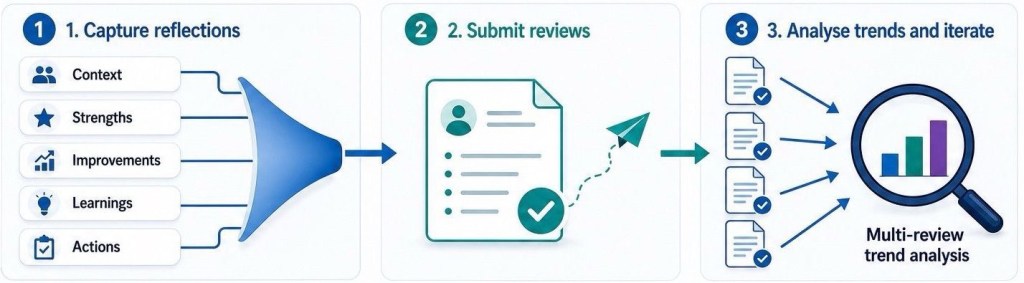
After an event, Candid Cycle could provide a defensible learning system without prejudging an ongoing investigation. It would document:
- What standards, travel controls and support arrangements were in place.
- What warning signs, decisions and interventions occurred before and during the event.
- What the club knew, when it knew it, and which escalation paths were activated.
- Which actions are appropriate immediately—such as welfare support, evidence preservation, stand-down decisions and safeguarding changes.
- What longer-term corrective actions need board-level ownership and assurance.
That is particularly important because advocates have welcomed firm responses while also raising questions about timing and AFL policy settings. The club’s current sanctions are substantial, but sanctions are retrospective. A disciplined capability cycle is designed to create prevention, early interruption and organisational learning.^3
Candid Cycle proposition
For the Swans—or any elite sporting organisation—the proposition would be:
Turn values, consent and behavioural standards into a repeatable team practice: anticipate risk, challenge early, act safely, learn without defensiveness, and verify that safeguards work.
This would complement, not substitute for, independent safeguarding, employment processes, police investigation and legal advice. It also preserves the crucial principle that no conclusion should be drawn about alleged criminal conduct before the relevant investigation is complete.


