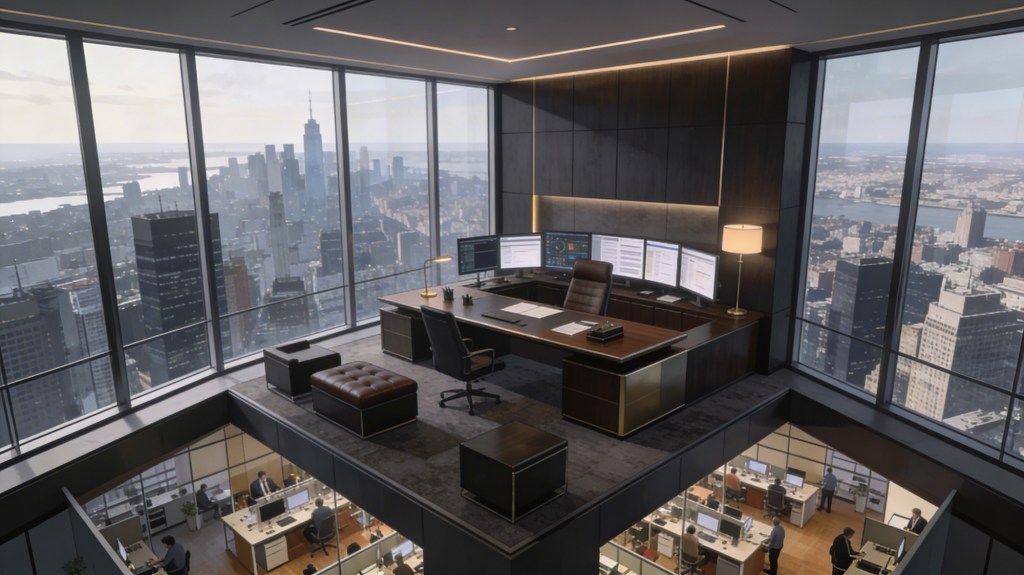
An elevated corner office is high status because it concentrates several scarce, symbolically powerful advantages in one place: views, control, privacy, and visible separation from the rank‑and‑file.
Material advantages
- Better views and daylight are linked with higher wellbeing, lower stress, and greater job satisfaction, making such offices genuinely more desirable places to work.
- Higher floors and corner positions usually cost more to lease, so they signal that the organization is investing more resources in the people who occupy them.
Power and hierarchy signals
- Traditional space planning pushed junior staff to the interior and reserved perimeter and corner offices for senior leaders, so location and size became straightforward cues of rank.
- Corner offices often come with buffer zones, doors, and control over access, which communicate authority and gatekeeping power in very visible ways.
Evolutionary and experiential comfort
- From a prospect–refuge perspective, elevated corners combine long views (prospect) with enclosure and a protected back (refuge), which people tend to experience as safe and comfortable vantage points.
- Having a wide visual field over the surroundings while remaining personally shielded fits long‑standing human preferences for lookout positions, so these spots feel inherently advantageous, not just symbolically so.
Cultural meaning
- For decades, popular culture portrayed “getting the corner office” as the narrative endpoint of corporate success, reinforcing its status value beyond any practical benefits.
- Even as open‑plan and hybrid workplaces spread, privileged locations with the best views remain among the top status markers for individual workspaces.
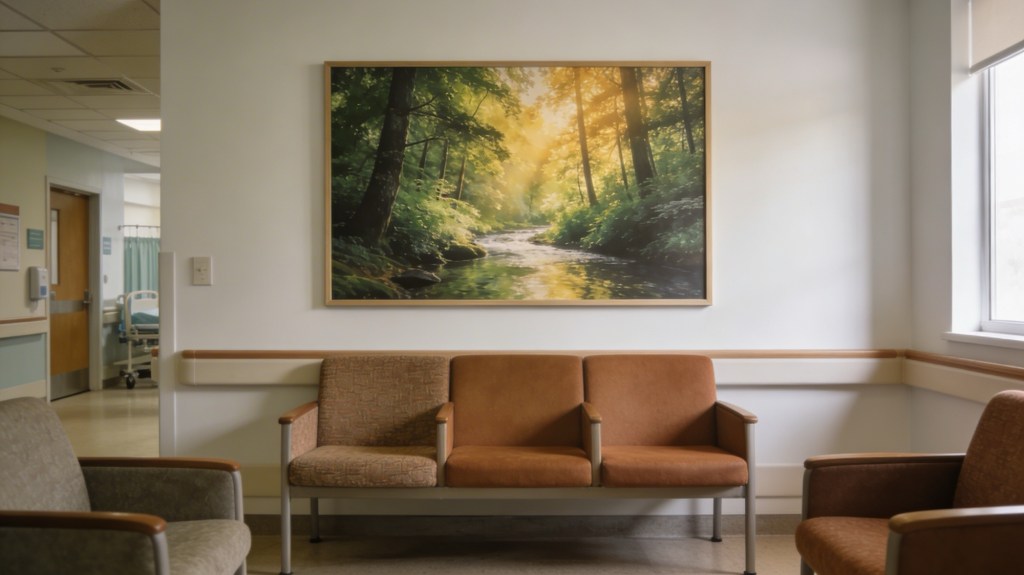
Hospitals use landscape posters because controlled studies show that even images of nature can slightly reduce stress, anxiety, pain, and perceived waiting time for patients, relatives, and staff.
Stress reduction and “supportive design”
- Ulrich’s stress‑reduction and supportive design theories argue that healthcare spaces should offer positive distraction, and natural scenes are a reliable, low‑risk way to do this.
- Nature images help shift attention away from threat and uncertainty toward calm, coherent scenes, which supports emotional regulation and recovery.
Evidence for nature posters in hospitals
- In a waiting‑room trial, patients exposed to real plants or posters of plants reported lower stress than those in rooms without any nature; the effect was partly explained by the room feeling more attractive.
- Reviews of “evidence‑based art” in hospitals report that patients often prefer representational nature and landscape scenes, and that such images are associated with lower anxiety, less analgesic use, improved mood, and more positive ratings of the environment.
Why “preferred landscapes” specifically
- Syntheses of this research recommend open, gently structured, non‑threatening landscapes (often with water, greenery, distant views) because these are widely liked and rarely interpreted as disturbing when people are ill or anxious.
- Abstract or ambiguous art can sometimes increase tension or be misread, whereas familiar, flourishing natural scenes are generally safe, culturally acceptable sources of gentle, “background” comfort.
On the standard “evolutionary clock” metaphor where Earth’s 4.5 billion years are compressed into 24 hours, truly urban life (dense cities) appears only in the very last fractions of a second before midnight.

Humans and cities on the clock
- If modern humans show up around 11:58–11:59 p.m., all of recorded history fits into the last second or so.
- Agriculture and the first towns begin roughly 10–12 thousand years ago, which on this scale is just a sliver of that final second.
- Industrial‑scale urbanization (large modern cities) is even more recent, essentially a blink within that blink, just a few “seconds” or less on the metaphorical clock.
So in evolutionary terms, urban existence is not just recent; it is almost instantaneous—“urban for a few seconds on the evolutionary clock” is a fair way to phrase how abruptly city life arrived relative to the deep history of life on Earth.
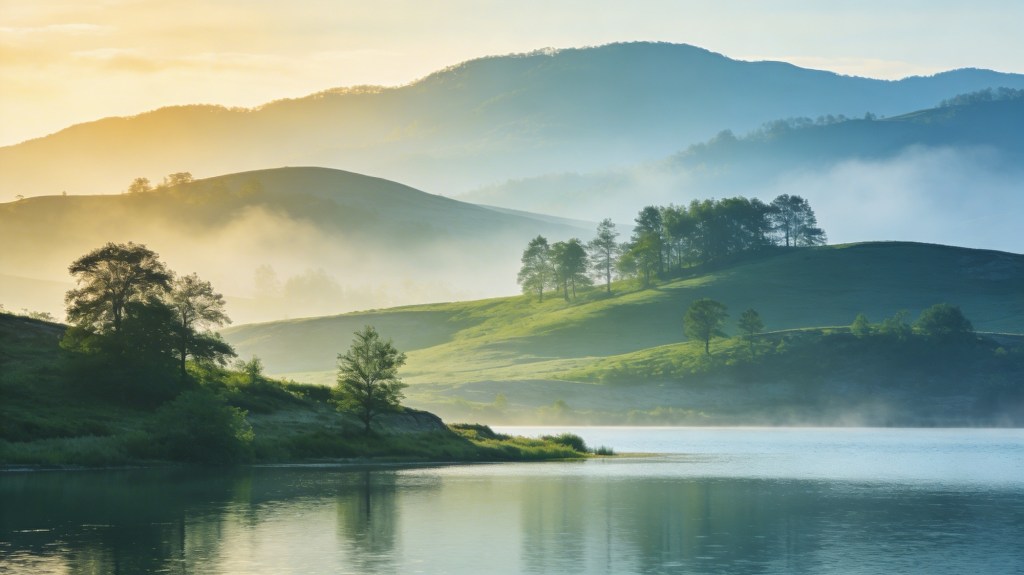
Researchers usually talk about “preferred landscapes” in environmental psychology and evolutionary psychology, where they study which kinds of scenes people consistently like and why.
Core theories
- Prospect–Refuge theory (Appleton): People tend to like places where they can see out (prospect) but also have some shelter or concealment (refuge), reflecting evolved needs to detect opportunities and threats while staying safe. These locations often sit at edges or interfaces, such as a tree at the edge of a clearing.
- Savannah and biophilia ideas (Orians, Wilson, Ulrich): Several authors propose that humans have an innate attraction to savannah‑like environments (open grass, scattered trees, water) because similar habitats supported survival in evolutionary history, and more broadly that people have an inborn affinity for nature (biophilia). Empirical studies find some cross‑cultural preference patterns, but also show substantial variation by age, culture, and local experience.
Preference matrix and information
- Kaplan & Kaplan preference matrix: They argue that preferred landscapes are those that make it easy to understand “what’s going on here?” and “what could I do here?” by supporting efficient information processing. They describe four informational qualities that tend to predict preference: coherence and legibility (making the scene understandable), and complexity and mystery (inviting engagement and exploration).
- Later work has tested how well these dimensions predict aesthetic judgements, with mixed but generally supportive evidence that these informational qualities are tied to what people like in landscapes.
Empirical findings
- Experimental and survey studies use photos, videos, or immersive scenes and ask people to rate how much they like them, often measuring stress, mood, or restoration at the same time. Typical findings are higher preference and better stress recovery for natural scenes with vegetation and water compared to urban or barren settings, though the strength of this effect depends on context and culture.
- Some recent cross‑cultural work challenges the idea of a single universal “best” landscape (for example, always semi‑open or savannah‑like), showing that familiarity, cultural meanings, and current living environments significantly shape what people prefer.
Beyond universals
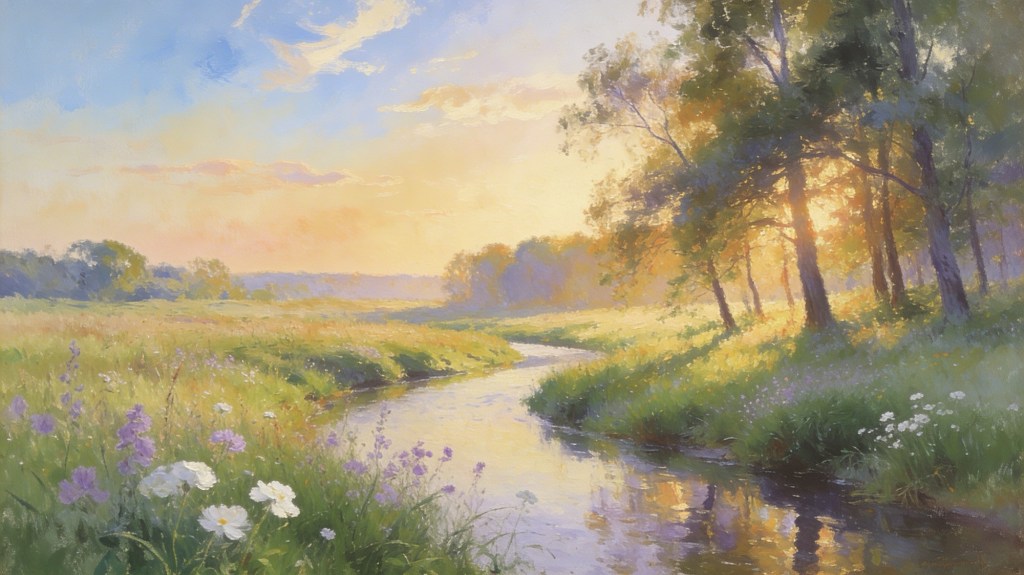
- Reviews now suggest that any evolutionary predispositions interact with cultural, personal, and situational factors, so “preferred landscapes” are better seen as structured tendencies rather than fixed universals. Factors like childhood environments, local climate, and land‑use norms can lead some groups to favour dense forests, others open fields, and others urban scenes.

 John Salter Consulting Services