The Agile Business Continuity app uses a risk-based approach recognizing people have different contexts.
We all might share some of the same exposures to extreme events. We all might share some of the same things we care about. However, context is crucial. It is useful to consider how your hazards interface with your vulnerabilities. To consider your thresholds for acceptable risk … and based on these considerations, tailor your plans to meet your needs and values.
Therefore, the focus of the app is on “you and your business” – on “continuity” and the things you “care about” which support your prioritized activities.
“Prioritized activities” are the minimum necessary activities required to deliver a product or service.
Risk is focused on as a function of the interface between hazards relevant to the business context and the vulnerability of critical resources/assets (the things we care about) (R f H x V).
1. Map your context
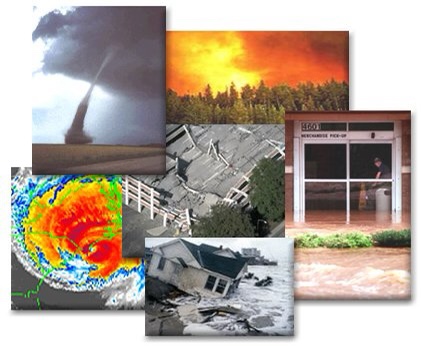
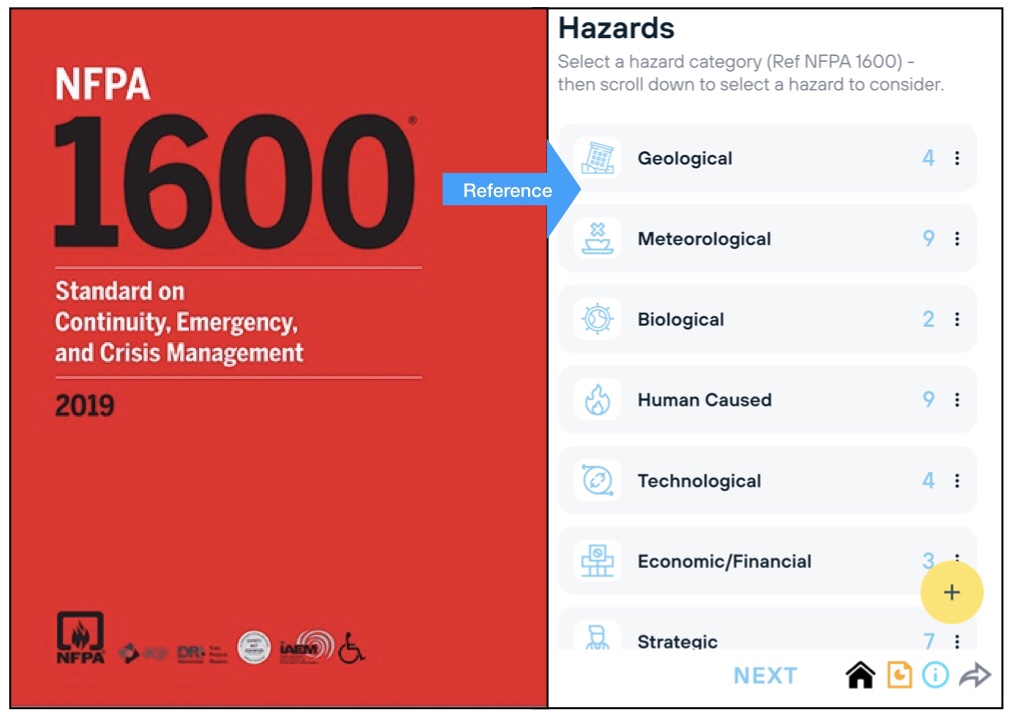
Identify hazards relevant to your context and score their importance by considering the criteria provided.
Examples used below – and in the app – are taken from the “Standard on Continuity, Emergency, and Crisis Management”, NFPA 1600 (2019).
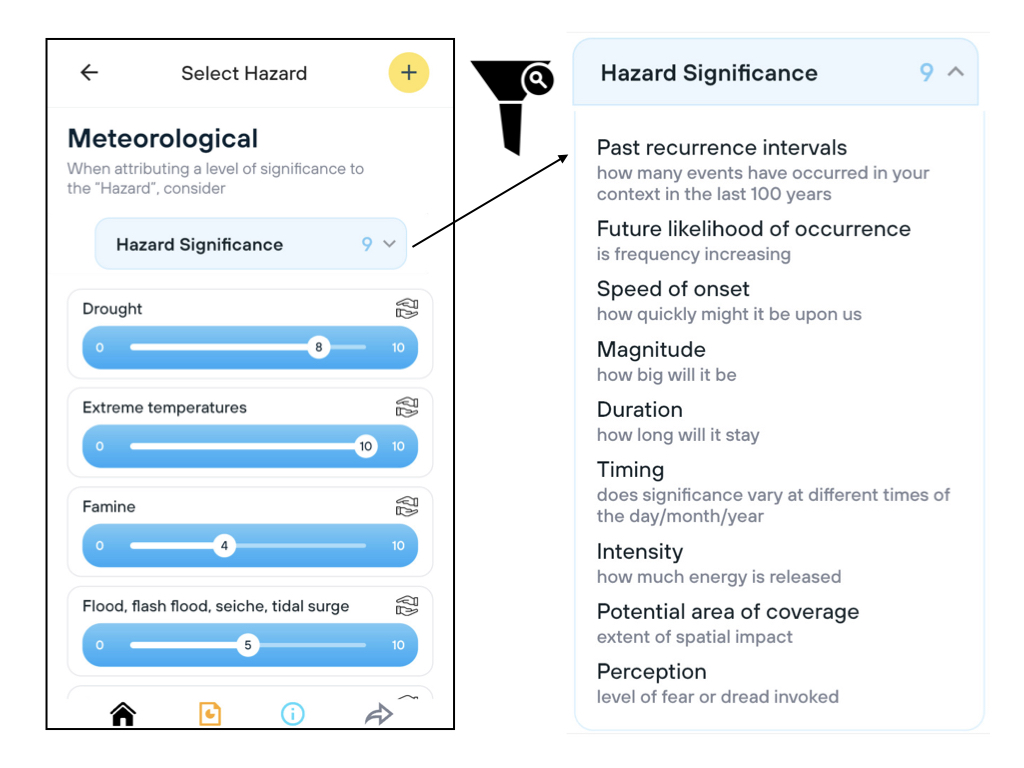
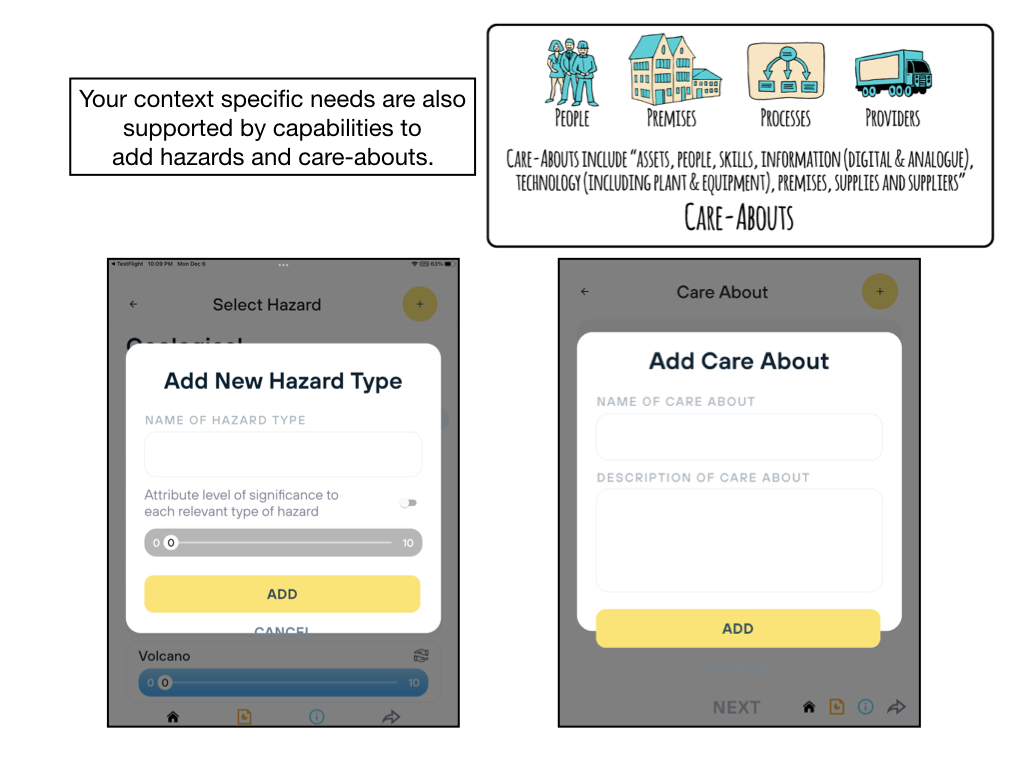
Identify, and describe, the things you rely on in your context
Resources (things you care about / rely on)
For each of the identified processes or prioritized activities required for you to achieve your objectives, identify the things you “care about” that support the processes or critical activities by focusing on the following:
(1) Personnel
(2) Equipment
(3) Infrastructure (including premises)
(4) Technology (including plant and equipment)
(5) Information (digital and analog)
(6) Supply chain (supplies and suppliers)
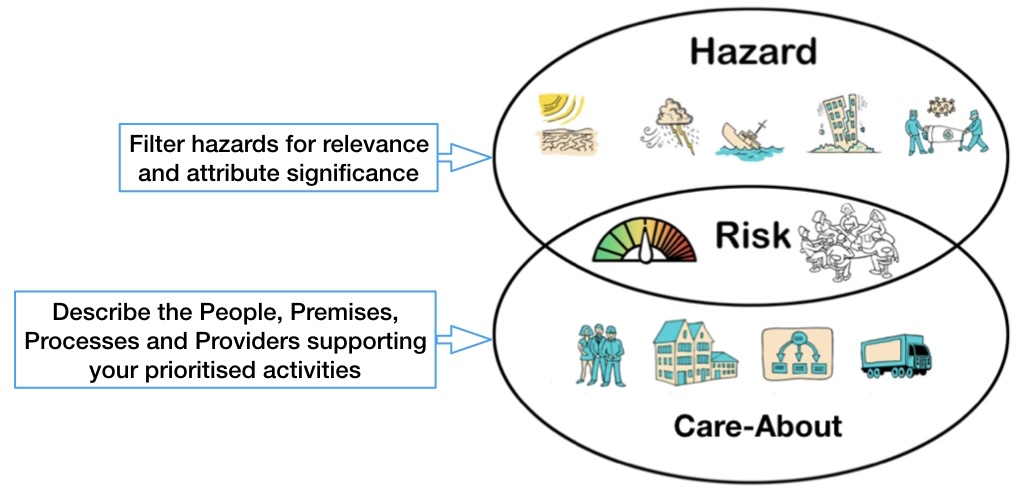
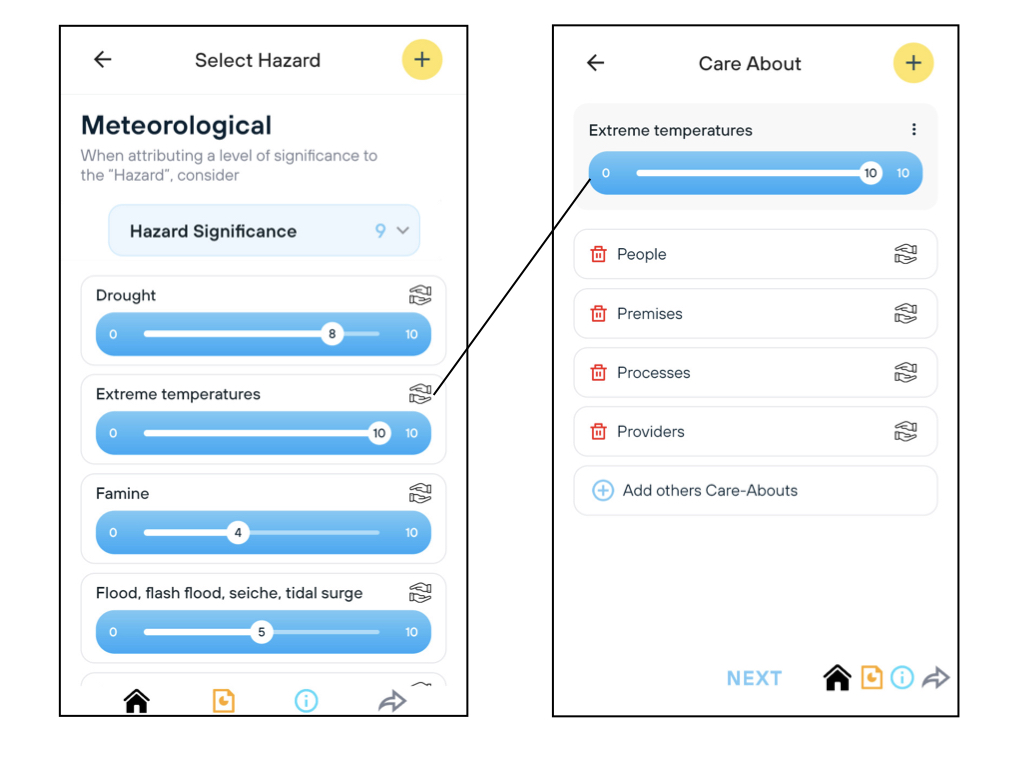
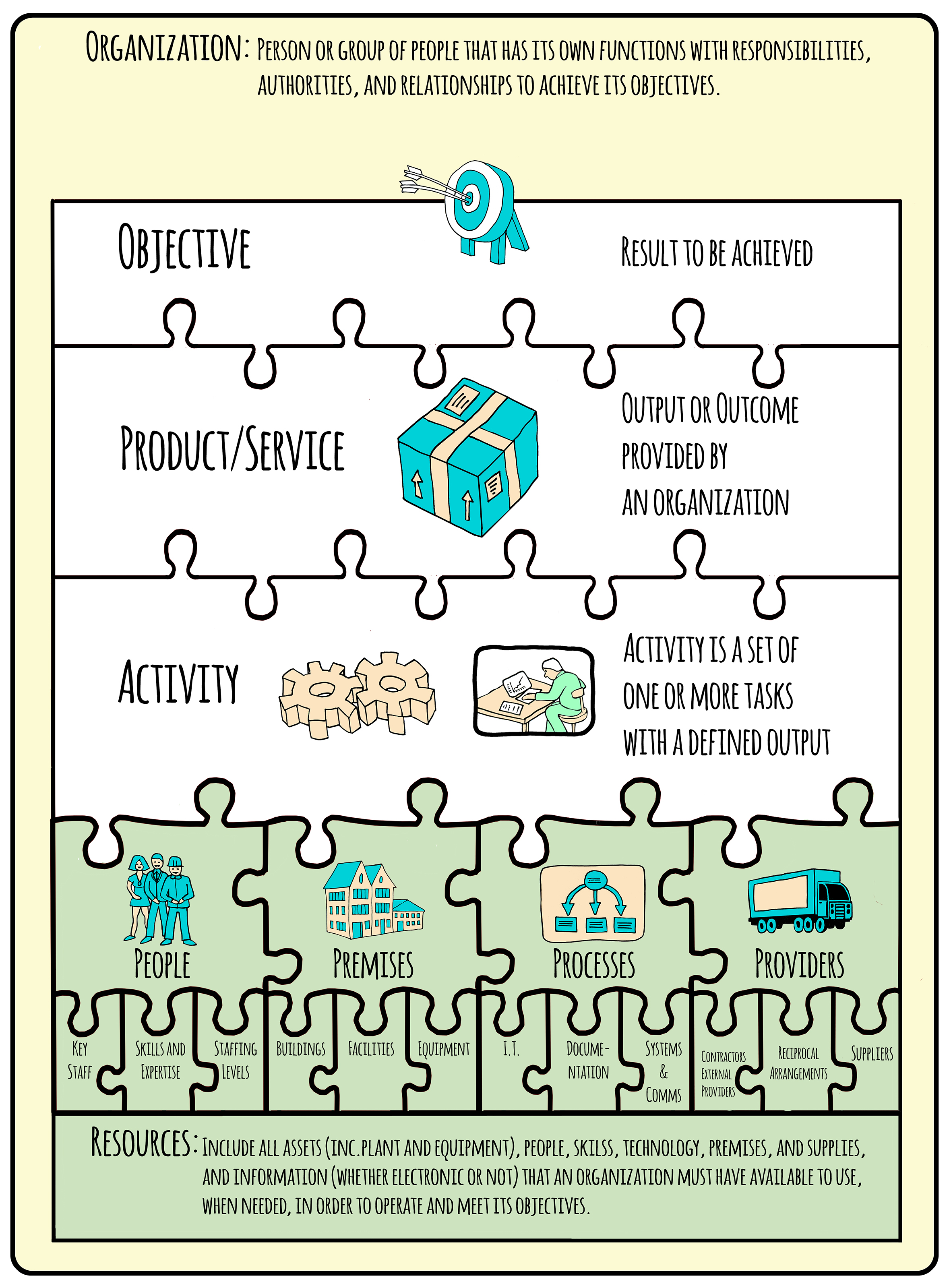
Describe the things you care about.
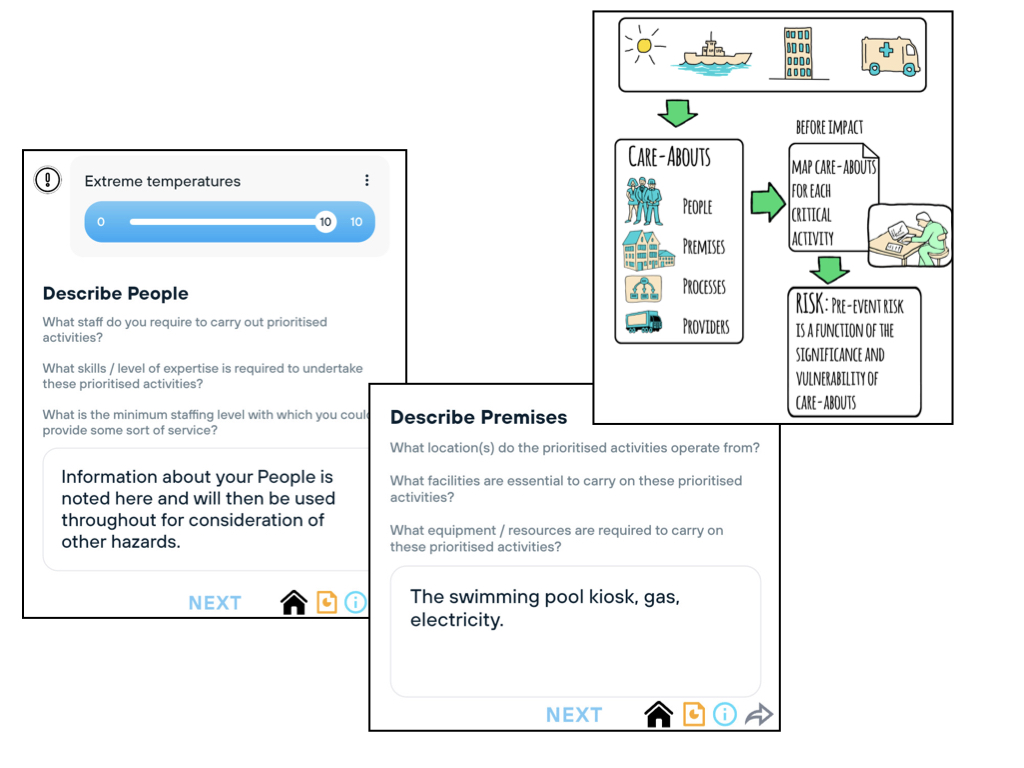
2. Assess your risks
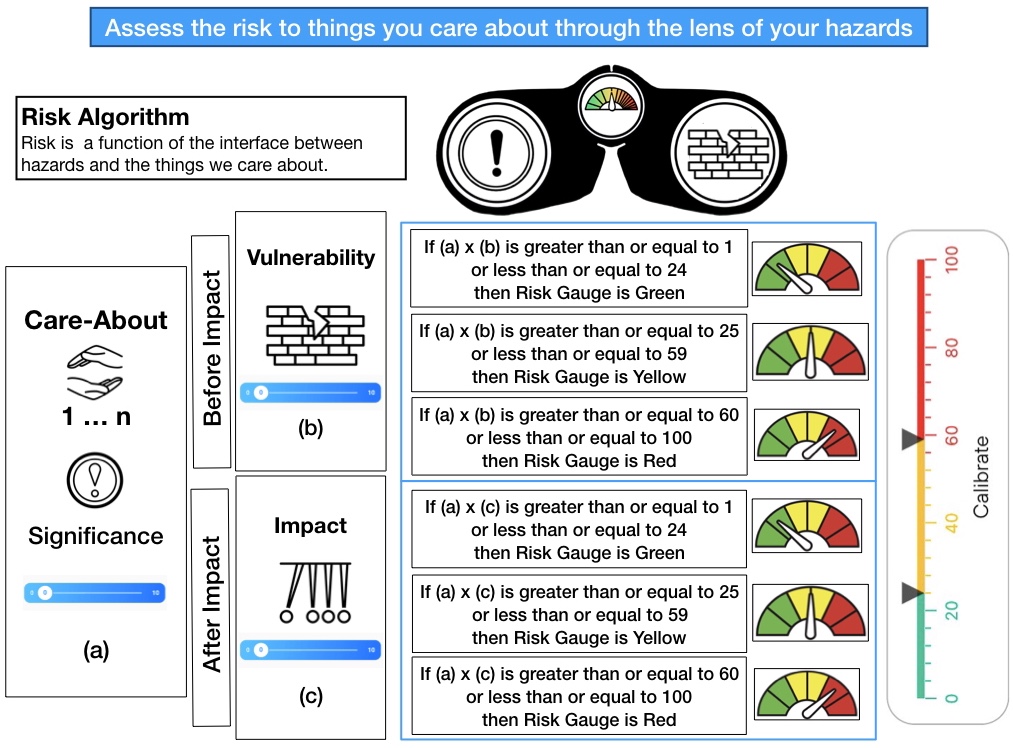
How vulnerable is this resource (“care-about”) in the current circumstances?
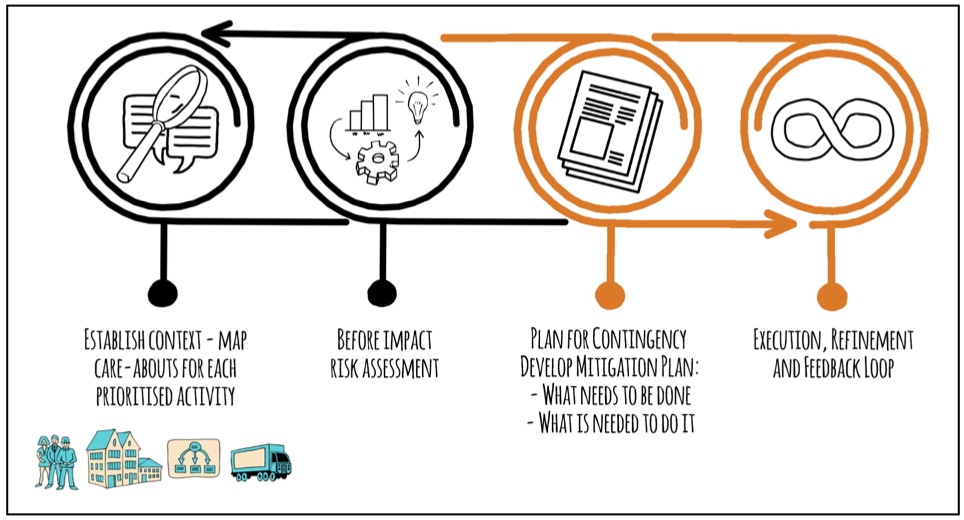
Describe the things you care about, and score their vulnerability to your hazard before a disaster.
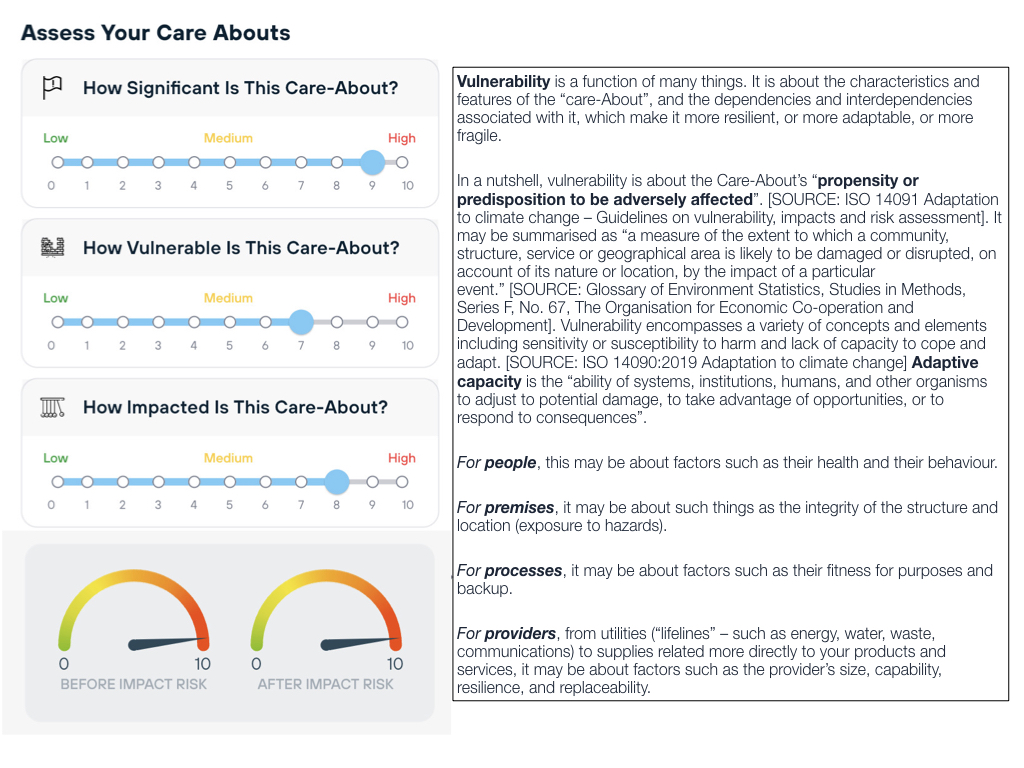
(The impact slider is used in the event of a disaster)
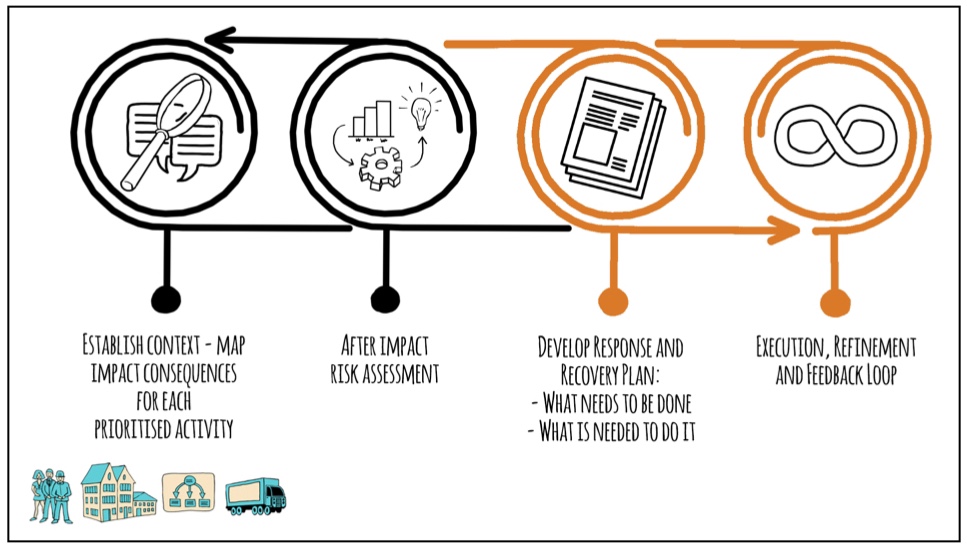
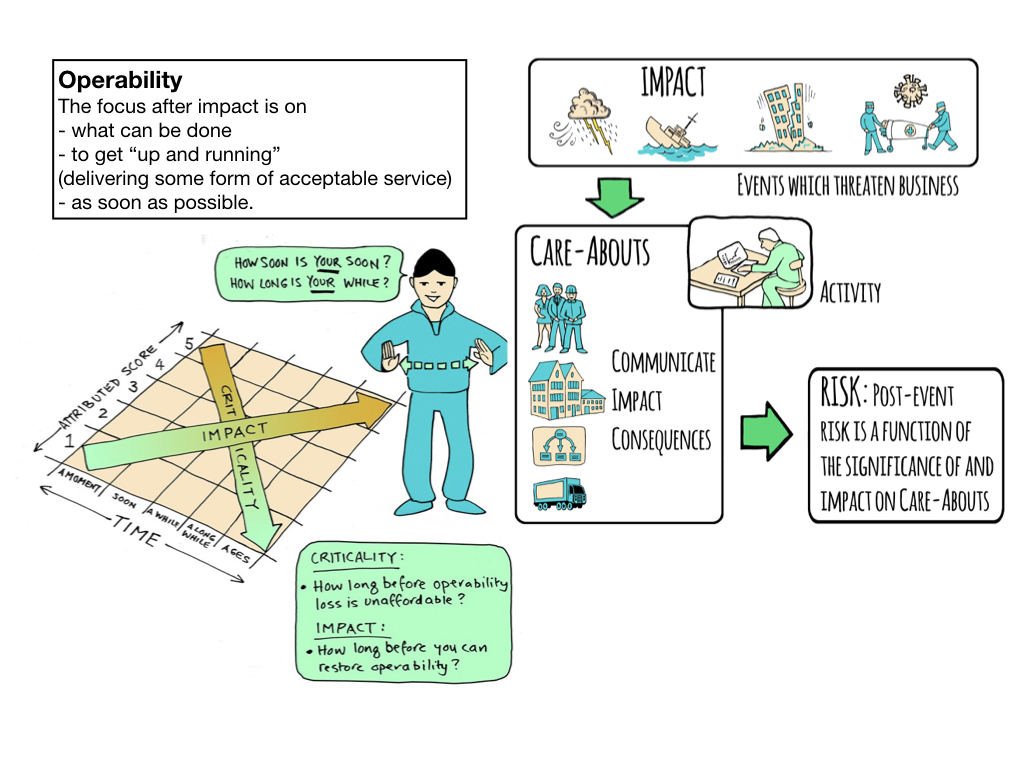
How impacted is this resource (“care-about”) in extreme events/circumstances?
3. Implement your plans.
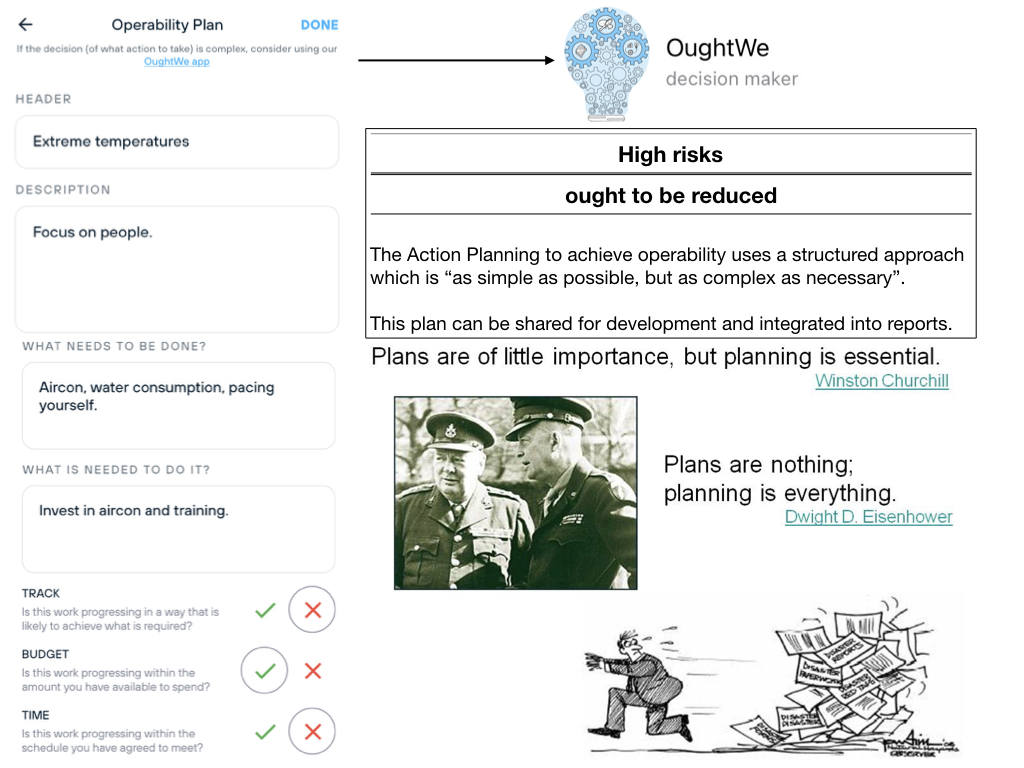
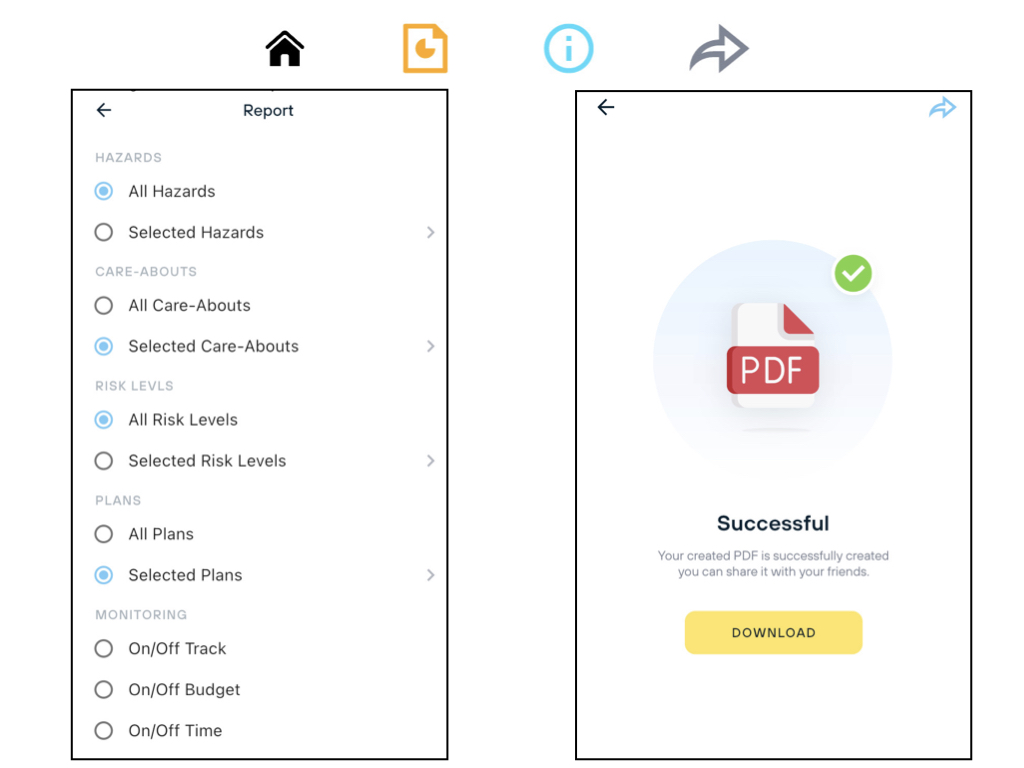
Communication and collaboration are fundamental to successful management. Especially the management of risk. Reports are generated based on being able to select from combinations of any – or all – of the data fields as outlined in the Menu below. These can be generated as PDF documents – to be shared and communicated as required. It is interesting to note that during the planning process – both before and during a disaster – users will frequently send screenshots to others using to arrow icon displayed at the bottom right of many screens.