How might you make a “good” decision?

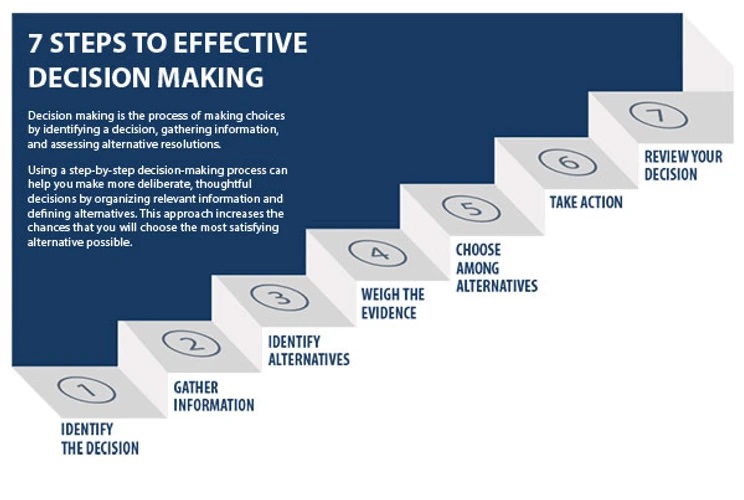
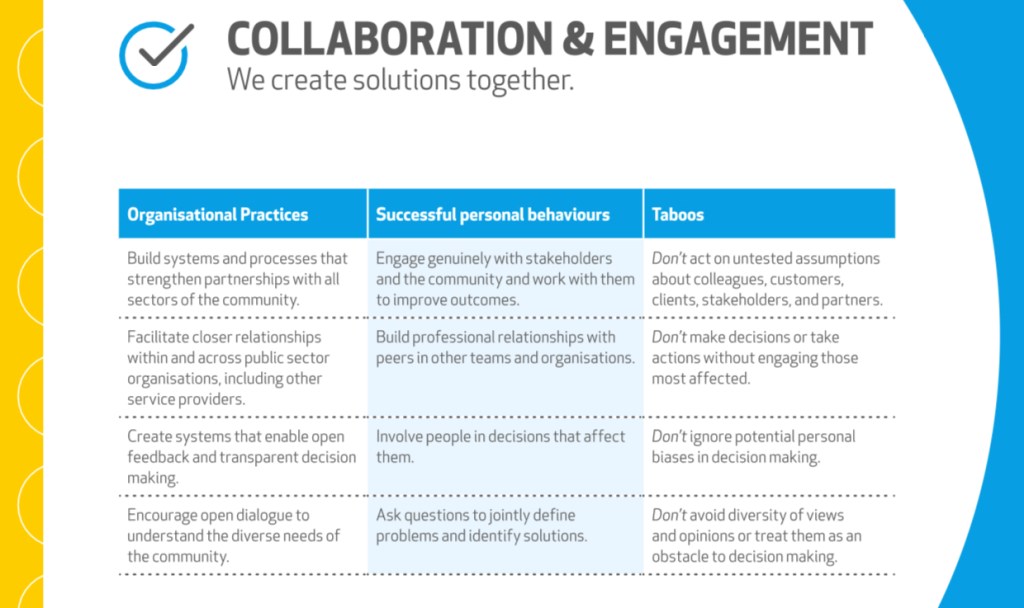
Elements of General Approach


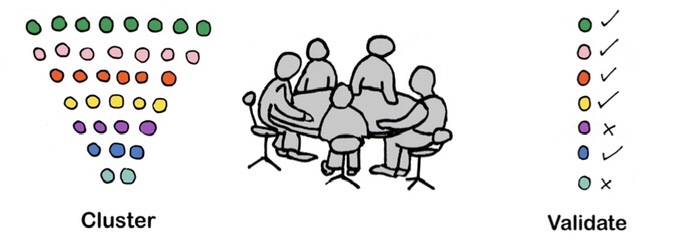
Encourage filtering to validate
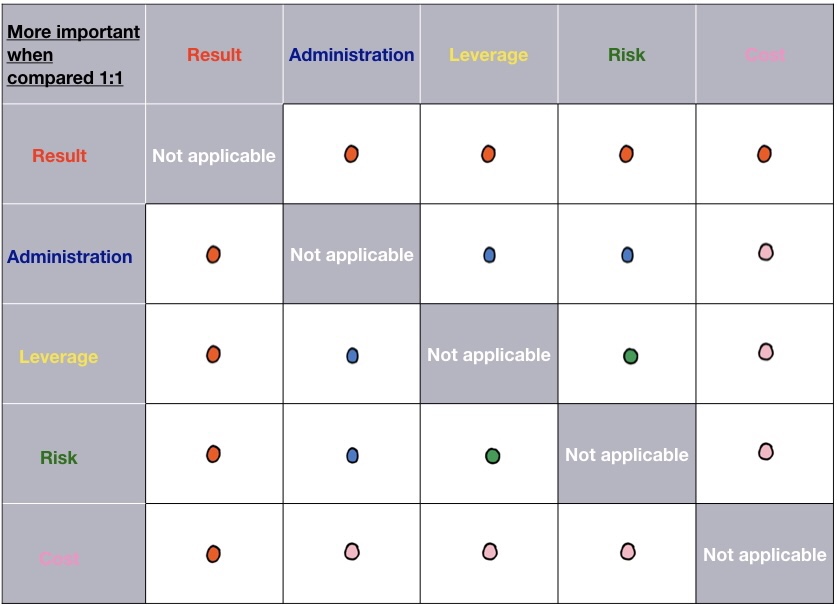
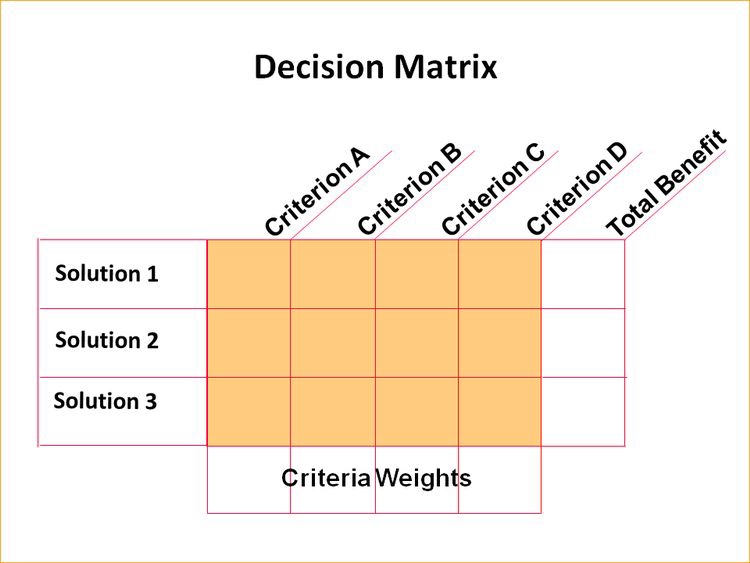
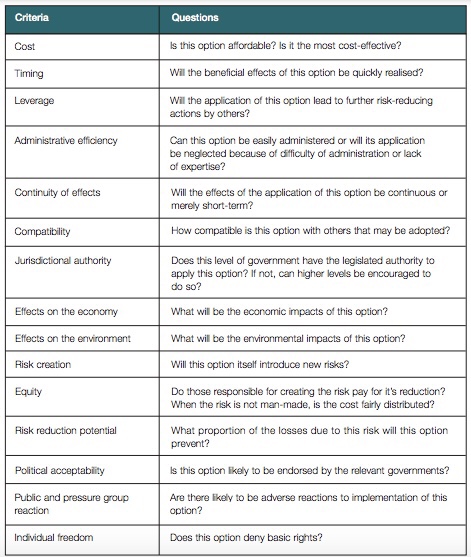
A decision matrix is just one of many tools currently considered “best practice” for good decision-making. It uses a systematic approach to narrow down options, comparing choices by using a combination of weighted voting and ranking.
A criteria matrix is especially helpful when:
- Options for a solution are many (10-20 choices)
- There are a significant number of criteria (6-15 items)
- Quick consensus is needed to proceed
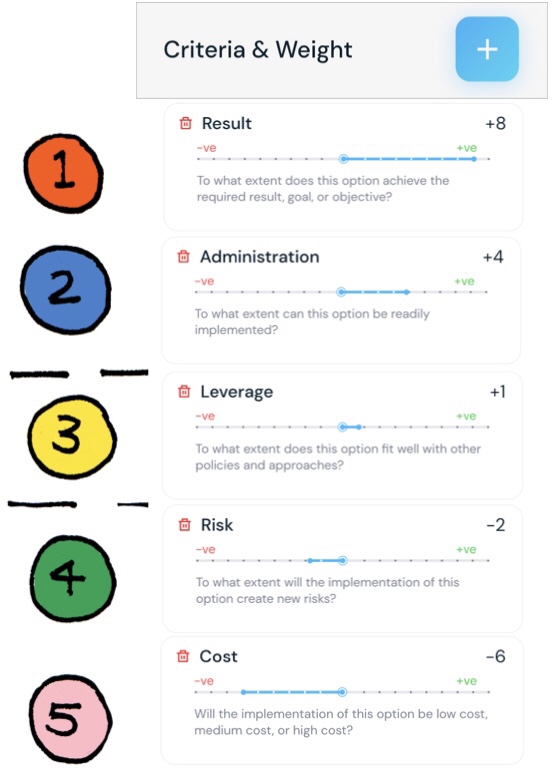
(app screen)
1. Quality Decision Making Apps

2. Quality Decision Making Support




3. Your Tailored Decision Making App

1. <Your> Name (Text) in Decision Maker Logo – Client name (or acronym) nested in the Decision Maker app Logo.
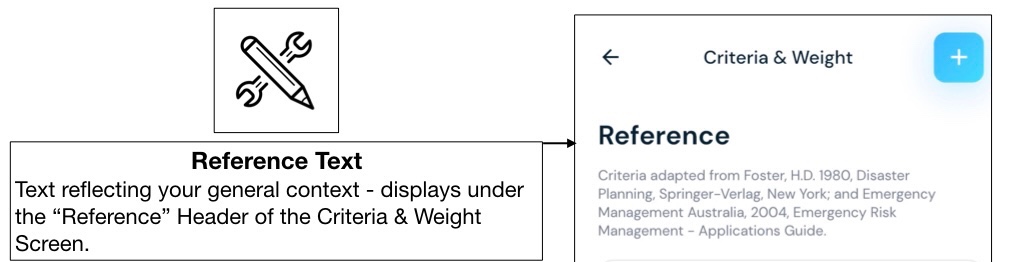
2. Reference (Text) – a description of your context – to be inserted under the edited “Reference” Header of the Criteria & Weight Screen.
3. Your Criteria
You can populate Your Decision Maker with up to nine of your specified criteria.
Specifics of each criterion.
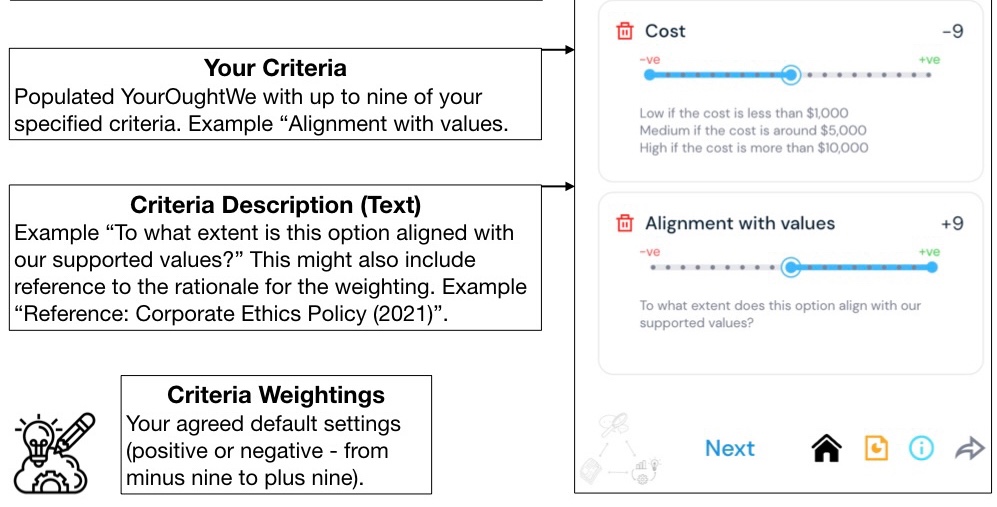
For each of the (up to nine) specified criteria, please provide:
(i) Criteria Name (Text) – example “Alignment with Values”.
(ii) Criteria Description (Text) – example “To what extent is this option aligned with our supported values?”.
(iii) Rationale for Criteria (Text) – example “Reference: Corporate Ethics Policy (2021)”.
(iv) Criteria Weightings – your agreed default settings (positive or negative – from minus nine to plus nine).
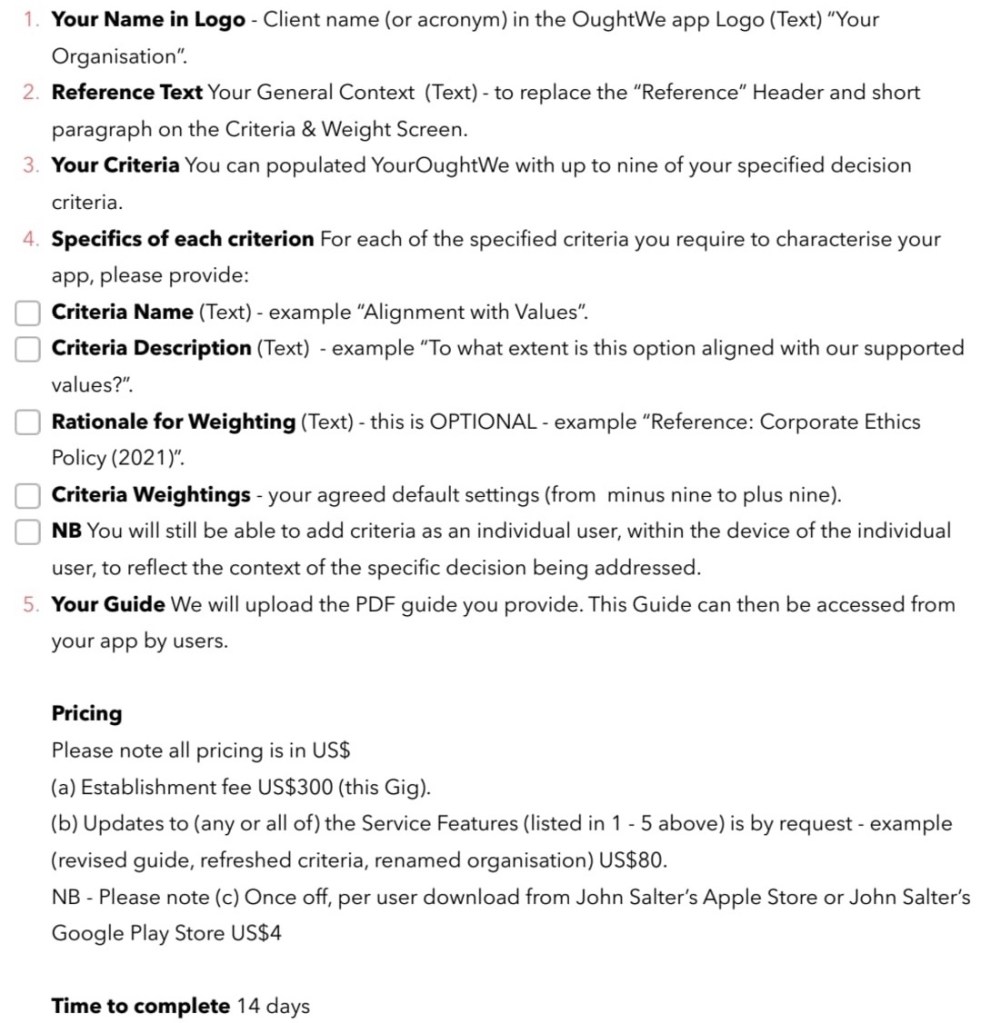
Note: When being used “in the field” individual users will still be able to add criteria to reflect and support the context of any specific decision being addressed by them.
NB Development of the above specifications is best done with others. Especially those who need to develop and sign off on “what they value – and how much they care about those things they value”.

 John Salter Consulting Services