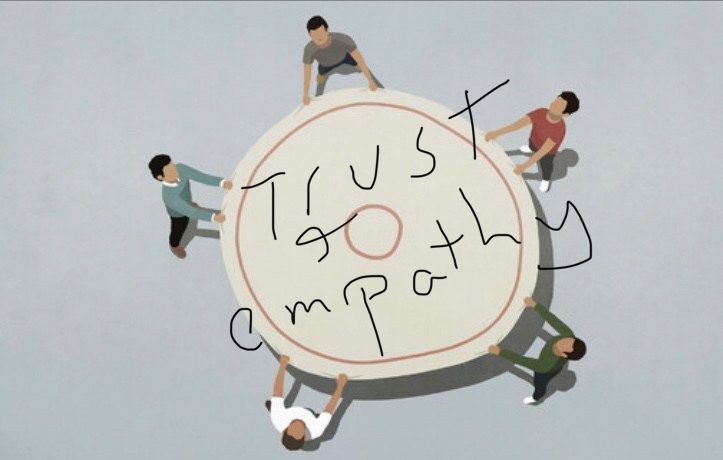
Trust and empathy are two of the biggest things to “bring to the table”.
This is especially so when exploring opportunities to improve. When debriefing – asking what went well … and what did not go so well.

Trust, layered with respect and supported by confidentiality, is a mainstay of “good cultures”.
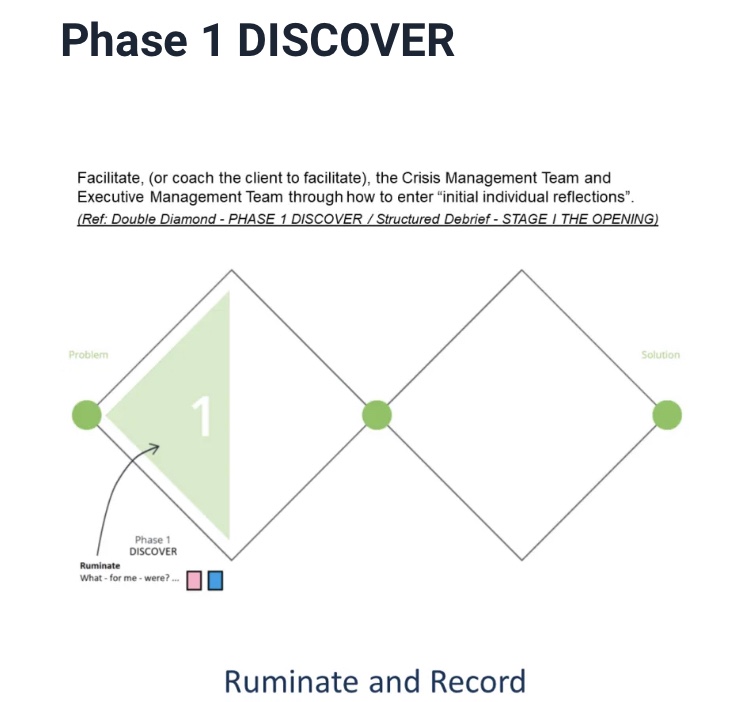
Facilitating the “ruminate and record” piece can be “tricky” when the feedback you receive needs to be tempered to filter various biases associated with mistrust.
Experience helps facilitators identify warning signs such as those listed below.

Prioritizing the reflections
The exploration of risk is often characterized by images – as metaphor – dominoes, jigsaws, cards – all chosen because they illustrate dependence and/or interdependence. In short, vulnerabilities.

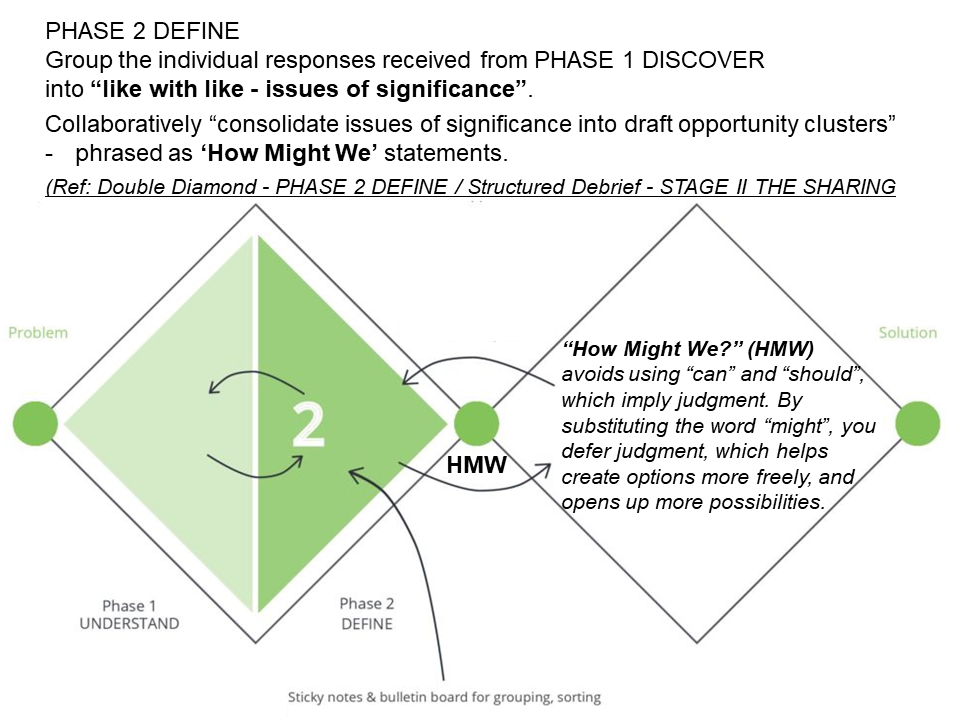
“Understand the problem” moves towards solutions when it focuses on the agreed key elements from Phase 1. The focus is on the things which will make a difference.
This prioritizing will highlight agreed vulnerabilities – whether it’s about supply chains or culture.

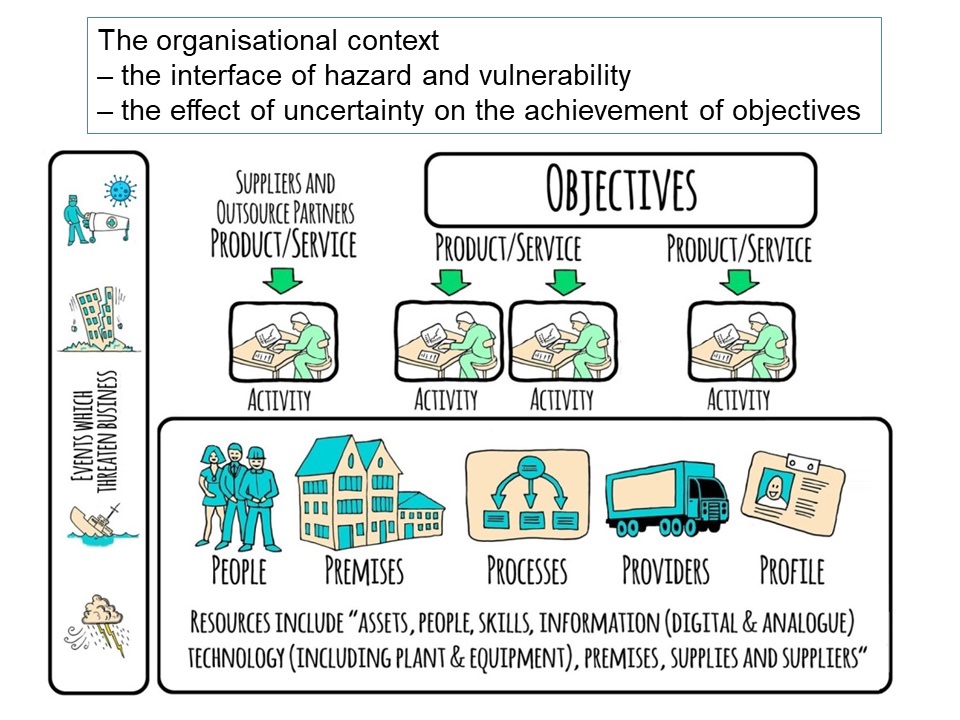
All of the issues and opportunities identified can be placed in their organisational context using decision support tools such as AgileBCP.

 John Salter Consulting Services