Most organisations respond to a drop in performance the same way: tighten targets, add new dashboards, reshuffle roles, and ask people to try harder. For a quarter or two, the numbers might improve. Then the leaks return, often in exactly the same places.
Some leaders stand on the bridge of the ship, staring at the wake, assuming that if they just shout loud enough, the hull will somehow repair itself.

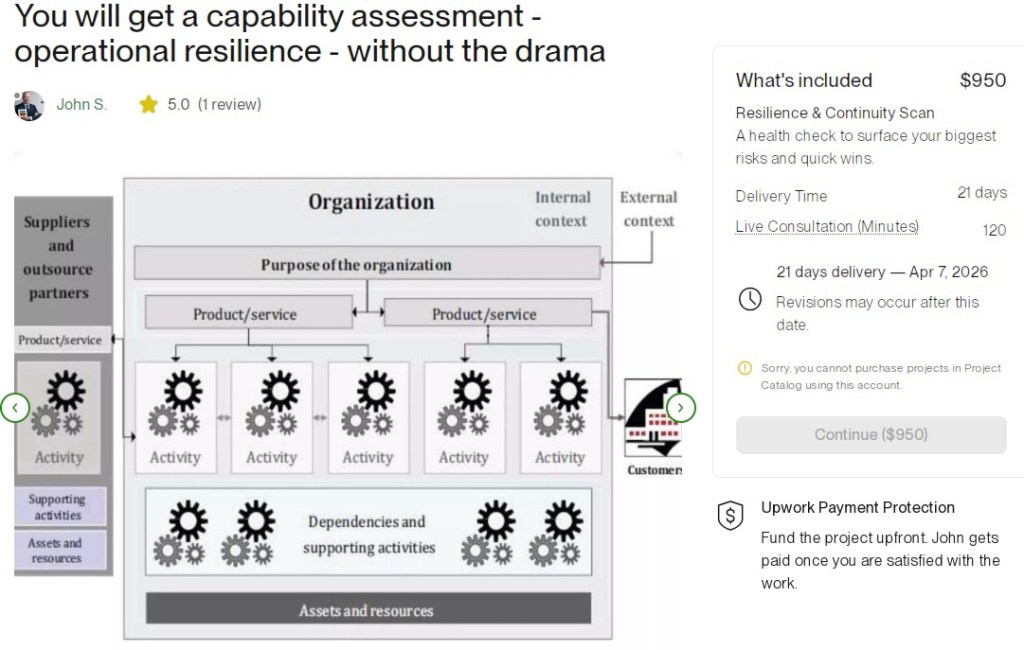
Capabilities are the repeatable combination of people, process, technology, data, and governance that enables a specific outcome – in this metaphor they are the hull, keel, crew, and navigation systems that create that wake, day after day, in all kinds of weather.
When leaders focus only on the wake, they’re managing the traces of what the organisation can do, not the organisation’s actual ability to do it. That’s why so many performance conversations feel like déjà vu: we keep revisiting the symptoms, without ever really examining the structure and processes that produces them.
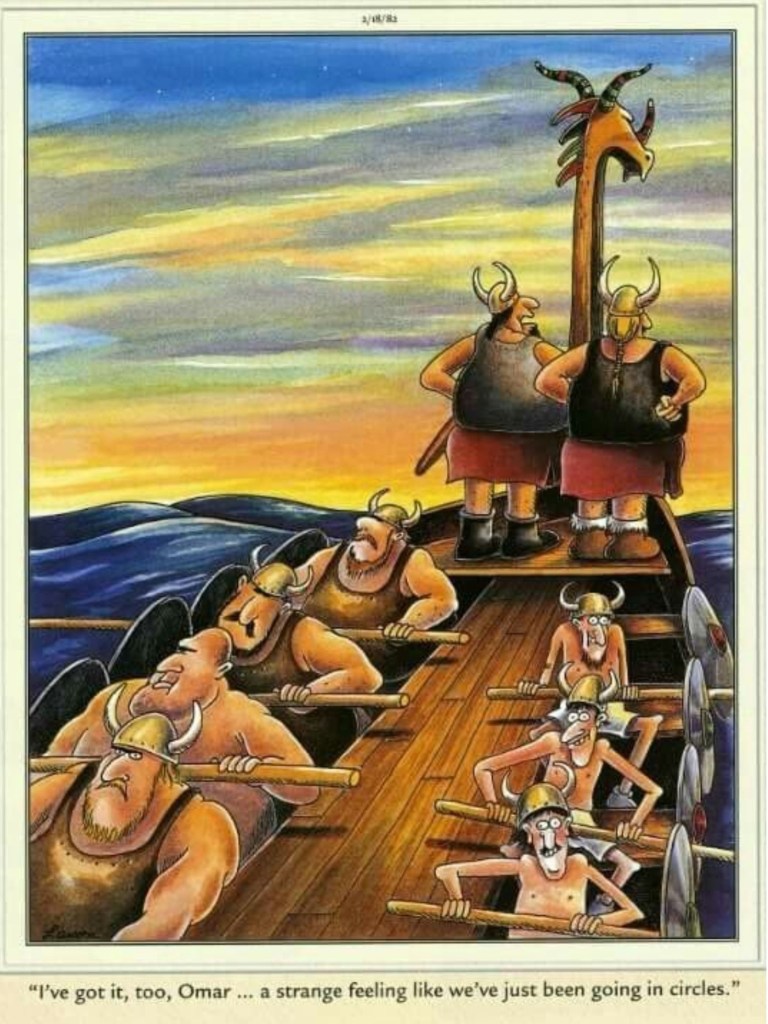
Yes, a little management parable: if you load all your capability on one side of an organization and leave the other side underpowered, you get motion, but not progress—lots of effort with no real forward movement.
This piece has been about shifting that focus. Instead of asking “How do we get better numbers next quarter?”, ask “How do we shore up the ship?”
Through the lens of capability assessment, look below the waterline: clarifying what capabilities really are, what a good assessment reveals, and how those insights can guide more deliberate, structural improvements.
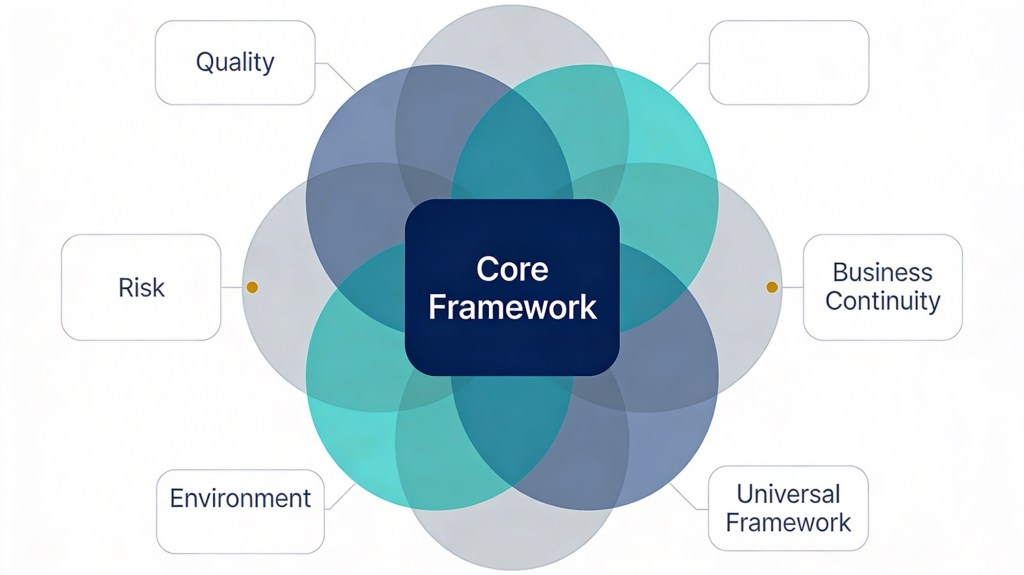
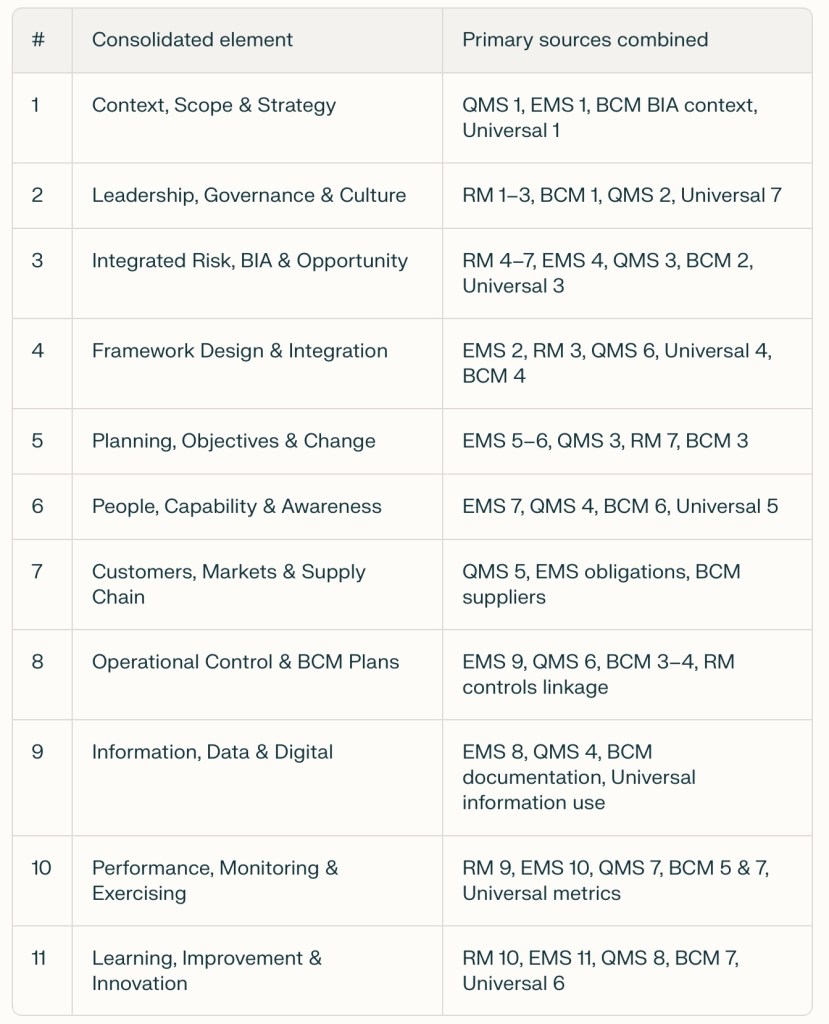
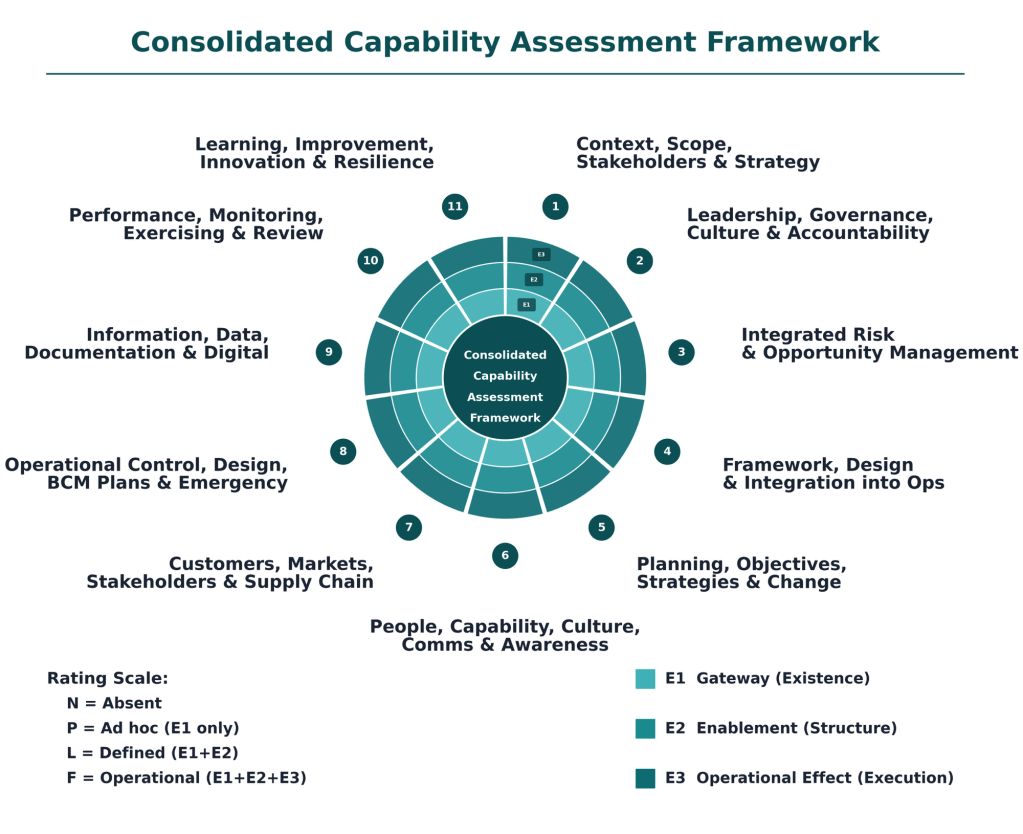
I leave one consideration with you – “choose 1 critical capability for your strategy and run a light-touch assessment in the next 3 weeks”.



 John Salter Consulting Services