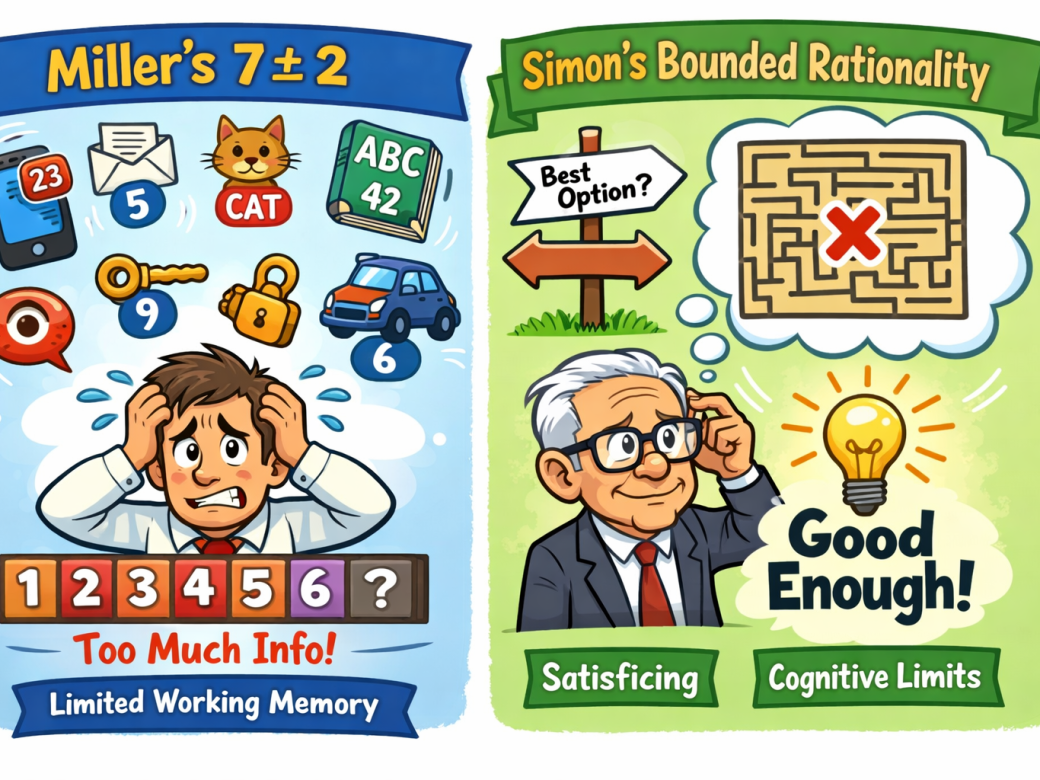
We structure our approach to Gap Analysis mindful of two of the most foundational ideas in cognitive psychology and behavioral economics.
Here’s a breakdown of how Miller’s “Magical Number Seven, Plus or Minus Two” relates to and helped shape the theory of Bounded Rationality.
1. Miller’s Law (1956)
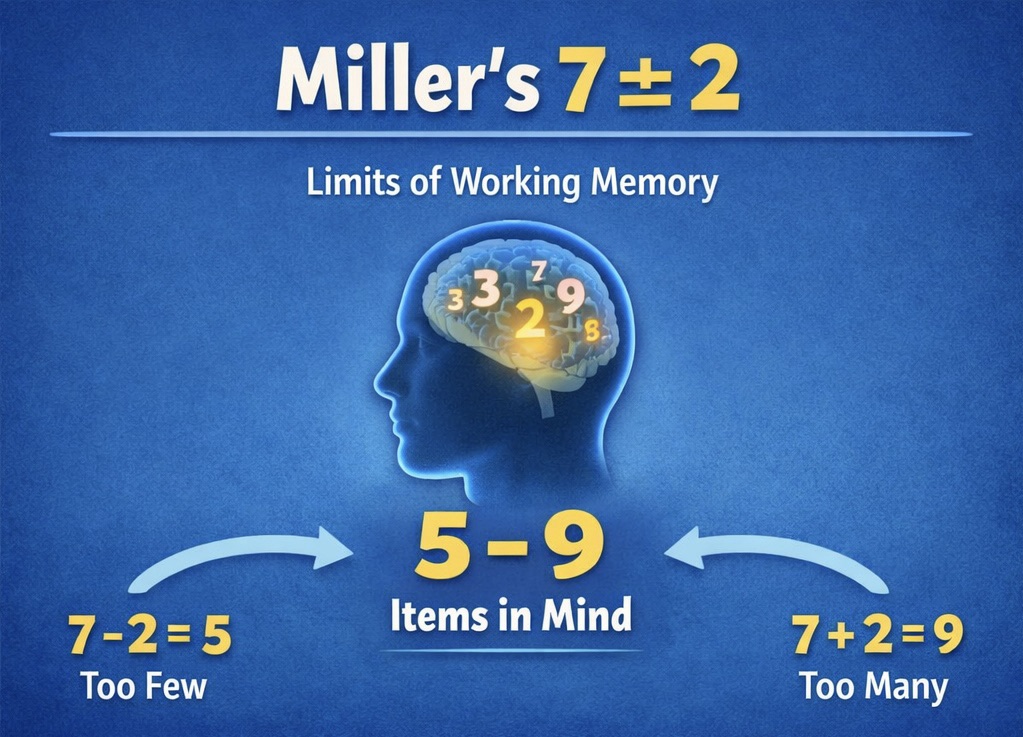
· What it is: George A. Miller’s famous paper identified a cognitive bottleneck in working memory. Humans can hold only about 7 (±2) discrete chunks of information in their conscious attention at one time.
· Key nuance: A “chunk” can be a single item (like a digit) or a meaningful group (like a familiar word, phrase, or pattern). For example, “F-B-I-C-I-A-U-S-A” is 9 letters (exceeding the limit), but chunked as “FBI, CIA, USA” becomes 3 units.
· Implication: Our brain’s processing capacity is severely limited at the point of immediate awareness and manipulation.

2. Bounded Rationality (Herbert Simon, 1950s onwards)
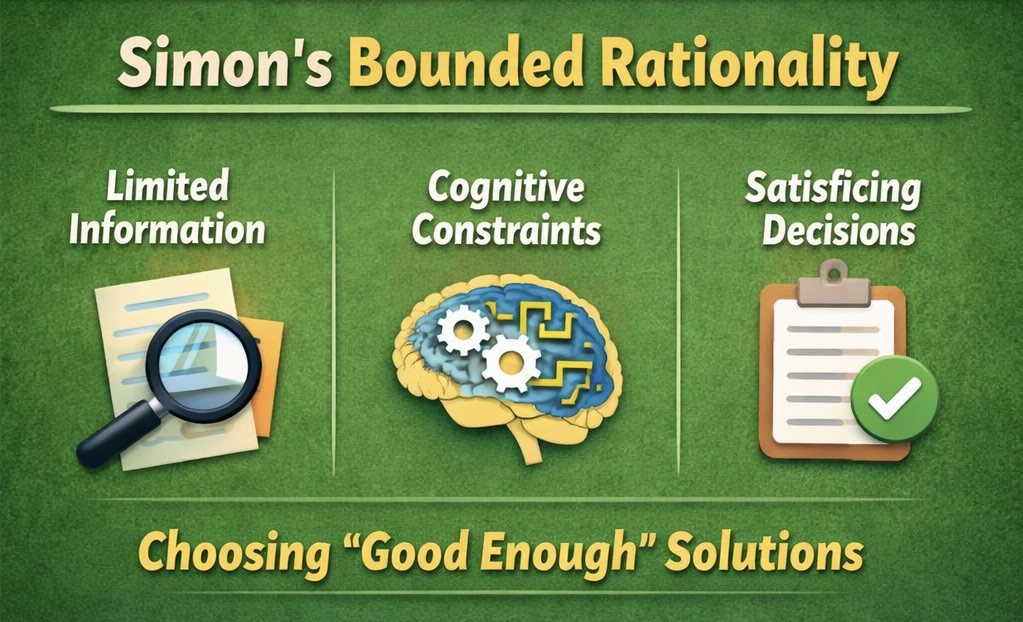
· What it is: A model of decision-making that argues humans are intendedly rational, but their rationality is limited by:
1. Cognitive limits (the mind’s capacity)
2. Time constraints
3. The information available
· Because of these limits, people do not seek the optimal decision (“maximizing”). Instead, they use mental shortcuts (heuristics) to find a satisfactory decision that is “good enough” (satisficing).
The Crucial Link: How Miller’s Law Bounds Rationality
Miller’s discovery provided the precise psychological mechanism for one of Simon’s key “bounds.”
1. The Cognitive Bound: Simon’s theory said our rationality is bounded by our mind’s capacity. Miller’s work quantified and explained a core aspect of that capacity limit. Our working memory can only juggle ~7 chunks, so we cannot simultaneously weigh dozens of factors, compare all alternatives, or calculate complex probabilities in our heads—tasks that “perfect” rationality would require.

2. From Optimal to Satisfactory: Because we can’t process all information, we:
· Use Heuristics: We rely on rules of thumb (e.g., “recognize a brand,” “follow the crowd”) that reduce mental load.
· Satisfice: We set an aspiration level (e.g., “a good enough apartment at a reasonable price”) and choose the first option that meets it, rather than checking every single apartment in the city to find the perfect one.
· Chunk Information: We rely on patterns, stereotypes, and categories to compress complex reality into manageable chunks our working memory can handle.
In Practice: The Combined Insight
· Product Design: A phone number is broken into chunks (e.g., 555-867-5309) to fit working memory. Menus rarely have more than 7 main options.
· Decision-Making: When choosing a stock, an investor cannot analyze all data on all companies. They might chunk companies into “tech,” “blue-chip,” “green energy,” and then use a simple heuristic like “invest in companies whose products I use.”
· Communication: Effective speakers break complex arguments into 3-5 main points, knowing the audience’s cognitive limits.
Modern Context
Subsequent research has shown that Miller’s number is even smaller for many tasks (often 4 ±1), especially when manipulation (not just recall) is involved. This only strengthens the core argument: our cognitive hardware is a primary source of bounded rationality.
In summary: Miller’s “seven plus or minus two” is a specific, empirical pillar supporting Simon’s broader theory of Bounded Rationality. It explains why our rationality must be bounded—our mental stage is simply too small to hold all the actors of a complex decision at once. We therefore rely on simplifications, shortcuts, and satisfactory solutions to navigate a world too complex for our cognitive apparatus.

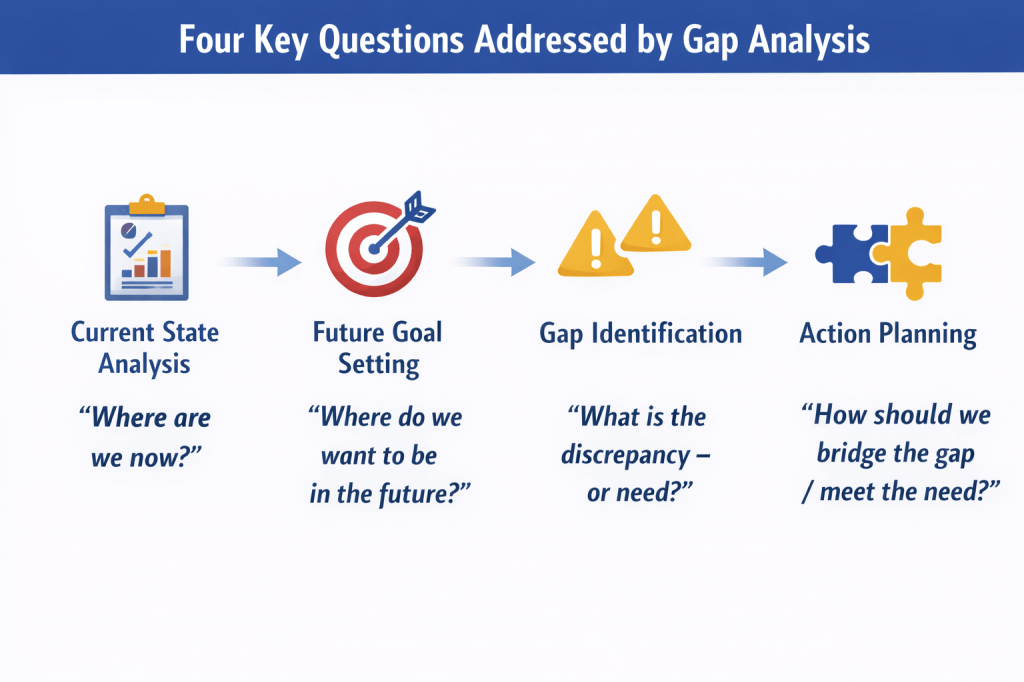

 John Salter Consulting Services