If I was living in the Ukraine I might have benefited from reflecting on which hazards I would potentially be exposed to.
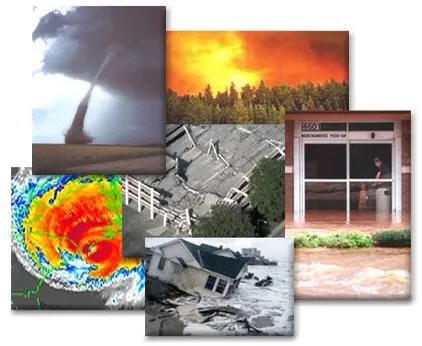
A then, how vulnerable I am.
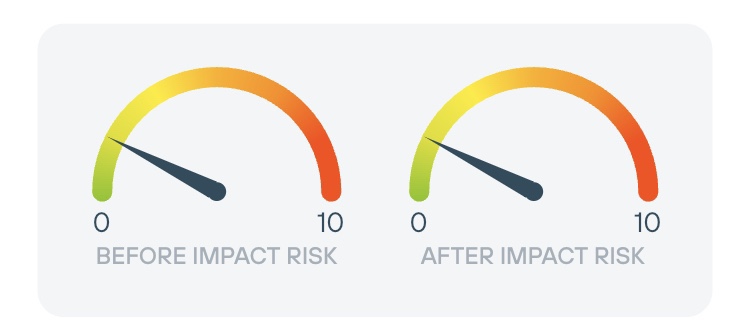
If I wasn’t living in the Ukraine I would still benefit from this process.
A useful checklist to kickstart consideration is the Hazards from NFPA 1600 – which are to be used in the soon to be released update (NFPA 1660).
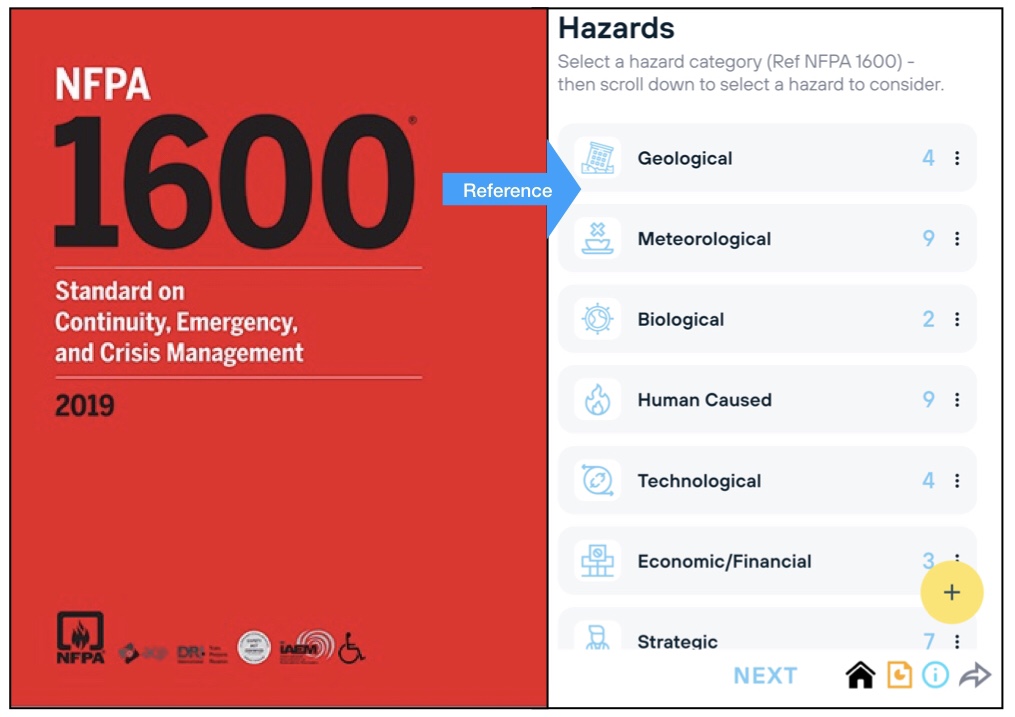
This Standard specifies – Hazards to be evaluated shall include the following:
(1) Geological:
(a) Earthquake
(b) Landslide, mudslide, subsidence
(c) Tsunami
(d) Volcano
(2) Meteorological:
(a) Drought
(b) Extreme temperatures (hot, cold)
(c) Famine
(d) Flood, flash flood, seiche, tidal surge
(e) Geomagnetic storm
(f) Lightning
(g) Snow, ice, hail, sleet, avalanche
(h) Wildland fire
(i) Windstorm, tropical cyclone, hurricane, tornado, waterspout, dust storm, sandstorm
(3) Biological:
(a) Food-borne illnesses
(b)* Infectious/communicable/pandemic diseases
(4) Accidental human-caused:
(a) Building/structure collapse
(b)* Entrapment
(c) Explosion/fire
(d) Fuel/resource shortage
(e)* Hazardous material spill or release
(f) Equipment failure
(g) Nuclear reactor incident
(h) Radiological incident
(i) * Transportation incident
(j) Unavailability of essential employee(s) (k)* Water control structure failure
(l) Misinformation
(5) Intentional human-caused:
(a) Incendiary fire
(b) Bomb threat
(c) Demonstrations/civil disturbance/riot/insurrection
(d) Discrimination/harassment
(e) Disinformation (rumors, false allegations, or accusations)
(f) Kidnapping/hostage/extortion
(g) Geopolitical risks including acts of war, change in government, and political instability
(h) Missing person
(i) * Cyber security incidents
(j) Product defect or contamination
(k) Robbery/theft/fraud
(l) Strike or labor dispute
(m) Suspicious package
(n)* Terrorism
(o) Vandalism/sabotage
(p) Workplace/school/university violence
(q) Supply chain constraint or failure
(6) Technological:
(a)* Hardware, software, and network connectivity interruption, disruption, or failure
(b)* Utility interruption, disruption, or failure
(7) Economic/financial:
(a) Foreign currency exchange rate change
(b) Economic recession
(c) Boycott
(d) Theft/fraud/malfeasance/impropriety/scandal involving currency, monetary instruments, goods, and intellectual property
(8) Strategic:
(a) Loss of senior executive
(b) Failed acquisition/strategic initiative
(9) Humanitarian issues
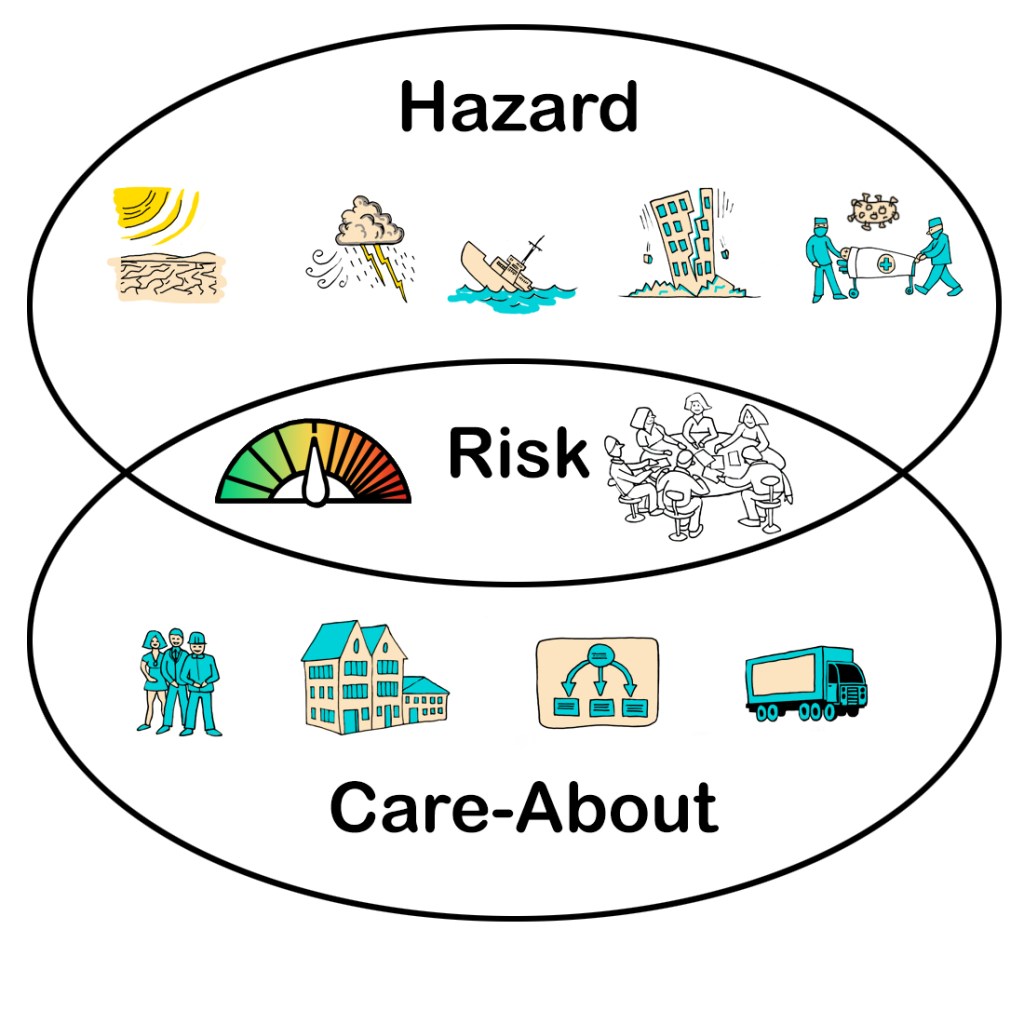
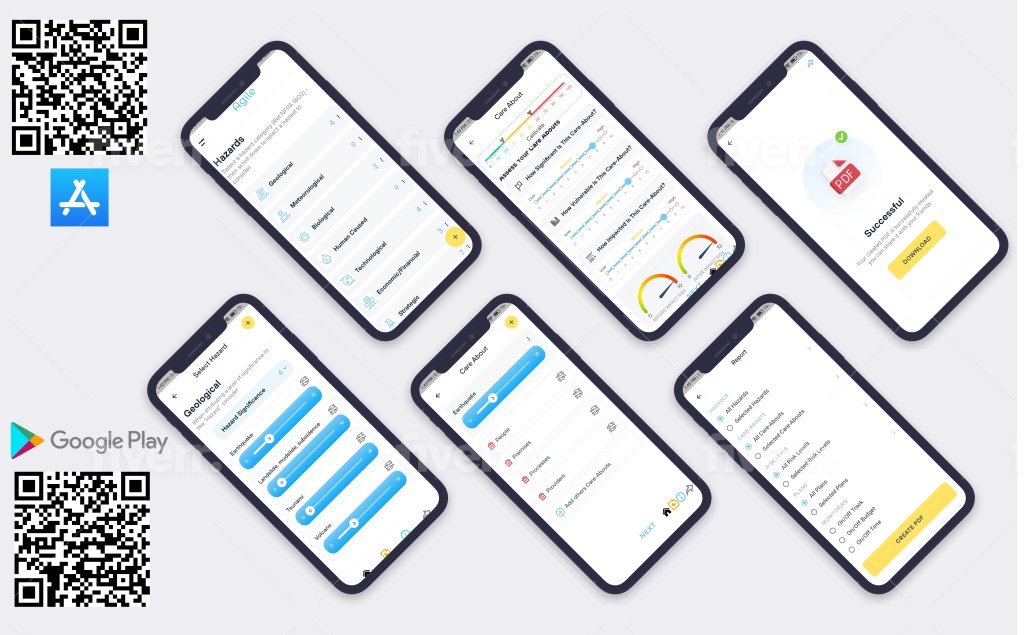
Yes, that is core to my free apps.

Nota bene
No data is collected by my apps.

 John Salter Consulting Services